What Is Pooja Samagri? A Complete Guide for Beginners | Shop for Cows
12 Aug, 2026
646 Views 0 Like(s)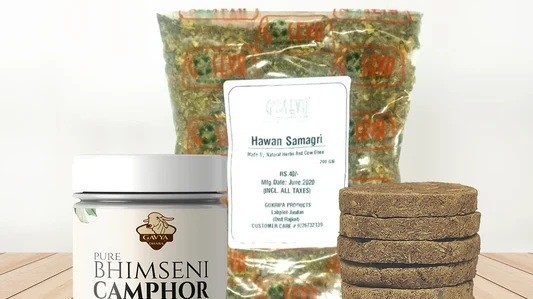
Discover the essentials of Pooja Samagri, including diyas, incense, dhoop, camphor, kumkum, rice, flowers, ghee, and havan materials. This beginner-friendly guide covers their importance, uses in daily worship, festivals, Griha Pravesh, Diwali, and other ceremonies, along with tips for choosing quality products and storing them properly. Explore traditional pooja essentials with ShopforCows for more organized and meaningful devotional preparations.
What Is Pooja Samagri? A Complete Guide for Beginners
Pooja is an important part of Indian spiritual and cultural traditions, performed at home, temples, and during special occasions. From daily prayers to festivals and ceremonies, different rituals require specific items to complete the worship properly. Collectively, these essential items are known as Pooja Samagri. For beginners, understanding what pooja samagri includes, how each item is used, and what to consider when choosing it can make religious ceremonies more organized and meaningful.
What Is Pooja Samagri?
Pooja Samagri refers to the collection of sacred and traditional items used during Hindu worship and religious rituals. The exact requirements can differ according to the type of pooja, regional customs, deity, and occasion. Common items may include incense sticks, dhoop, camphor, roli, kumkum, rice, sacred herbs, ghee, cotton wicks, diyas, flowers, and other ritual essentials.
Rather than being a fixed list, pooja samagri is a broad term covering the materials required to perform different forms of worship. Having the appropriate items ready beforehand helps devotees conduct their rituals without interruptions.
Why Is Pooja Samagri Important?
Every item used during a pooja has a traditional purpose. Some materials are used for offering to deities, while others are associated with purification, lighting, fragrance, or symbolic representation.
For example, a diya represents light and positivity, while incense and dhoop are commonly used to create a pleasant and devotional atmosphere. Roli, kumkum, rice, flowers, and other offerings are also important components of many traditional ceremonies.
The importance of Pooja Samagri therefore goes beyond simply gathering products. It represents the customs, symbolism, and practices followed during worship.
Common Pooja Samagri Items
The items required may vary depending on the ceremony, but several products are commonly found in Indian households.
Diya and Cotton Wicks
A diya is traditionally lit at the beginning of worship. Cotton wicks, combined with suitable oil or ghee, are used to maintain the sacred flame.
Incense and Dhoop
Incense sticks and dhoop are commonly used during pooja to introduce a pleasant fragrance and create a calm environment suitable for prayer and meditation.
Camphor
Camphor is frequently used during aarti and other rituals. Its distinctive fragrance and clean-burning nature have made it a familiar part of traditional worship.
Roli, Kumkum and Rice
Roli and kumkum are commonly used for applying tilak, while rice or akshat is used as an offering in several Hindu rituals.
Flowers and Sacred Leaves
Flowers are offered to deities as a traditional expression of devotion. Certain poojas also require specific leaves or plants according to the associated religious tradition.
Ghee and Havan Materials
Ghee may be used for diyas, offerings, or havan rituals. When a fire ceremony is performed, specific havan samagri containing traditional herbs, woods, grains, and other ingredients may also be required.
Pooja Samagri for Different Occasions
The required Pooja Samagri depends largely on the occasion. A simple daily pooja may need only a diya, incense, flowers, kumkum, rice, and an offering. More elaborate ceremonies can require additional materials.
For example, Ganesh pooja may involve specific offerings associated with Lord Ganesha, while Lakshmi pooja traditionally includes items connected with prosperity and cleanliness. Festivals, Satyanarayan Katha, Navratri, Diwali, Griha Pravesh, and other ceremonies may each have their own requirements.
Therefore, it is useful to prepare a checklist based on the specific ritual rather than purchasing every possible pooja item.
How to Choose Good-Quality Pooja Samagri
Choosing suitable Pooja Samagri is important for maintaining the traditional nature of the ceremony. Beginners can consider a few simple points before purchasing:
-
Check the ingredient or material information where applicable.
-
Prefer naturally prepared products for rituals that traditionally use natural ingredients.
-
Look for clean, properly packed products.
-
Choose products from reliable and established sellers.
-
Consider the specific requirements of your pooja before buying.
-
Store products properly to protect them from moisture and contamination.
Buying only the items required for a particular ceremony can also make preparation easier and more economical.
How to Store Pooja Samagri
Proper storage helps maintain the quality of pooja essentials. Dry products such as incense, herbs, camphor, and havan ingredients should generally be kept in a clean, dry place away from moisture. Items should remain in sealed containers or their original packaging whenever appropriate.
Keep separate products organized so that frequently used items can be easily accessed during daily worship.
Tips for Beginners
If you are new to performing pooja at home, preparation is often the most important step. First, understand the type of pooja you are planning to perform and make a simple checklist of the required materials. Keep everything together before beginning the ritual.
It is also helpful to follow the instructions associated with the specific ceremony or consult a knowledgeable priest when a detailed ritual requires particular procedures. Most importantly, worship should be approached with cleanliness, sincerity, and respect for tradition.
Frequently Asked Questions
What does Pooja Samagri include?
Pooja Samagri includes the various items used during Hindu worship, such as diyas, cotton wicks, incense, dhoop, camphor, kumkum, roli, rice, flowers, ghee, and other ritual materials.
Is the same Pooja Samagri used for every pooja?
No. The required items can vary depending on the deity, ceremony, festival, regional tradition, and purpose of the pooja.
Can I buy Pooja Samagri online?
Yes. Many traditional pooja essentials are available online. When purchasing, check the product details, ingredients, packaging, and seller information before ordering.
What Pooja Samagri is needed for daily pooja?
A basic daily pooja may require a diya, oil or ghee, cotton wick, incense or dhoop, kumkum, rice, flowers, and suitable offerings. Requirements can vary according to personal and family traditions.
How should Pooja Samagri be stored?
Dry pooja items should generally be stored in a clean, dry place away from moisture. Products such as camphor, incense, herbs, and havan ingredients should be kept properly sealed when not in use.
Conclusion
Pooja Samagri forms an important part of Hindu worship, bringing together the traditional materials required for different rituals and ceremonies. From simple daily prayers to festivals and elaborate religious occasions, the right pooja essentials help devotees follow established practices with greater preparation and convenience. Beginners can start by understanding the purpose of each item and creating a checklist according to their specific ceremony. Choosing quality products and storing them properly can further support a clean and organized worship routine. For those looking for traditional pooja essentials in one place, ShopforCows offers a range of products suitable for different devotional needs.


Comments
Login to Comment