What is Cut-and-Sew in Apparel Manufacturing?
20 Jan, 2026
9898 Views 0 Like(s)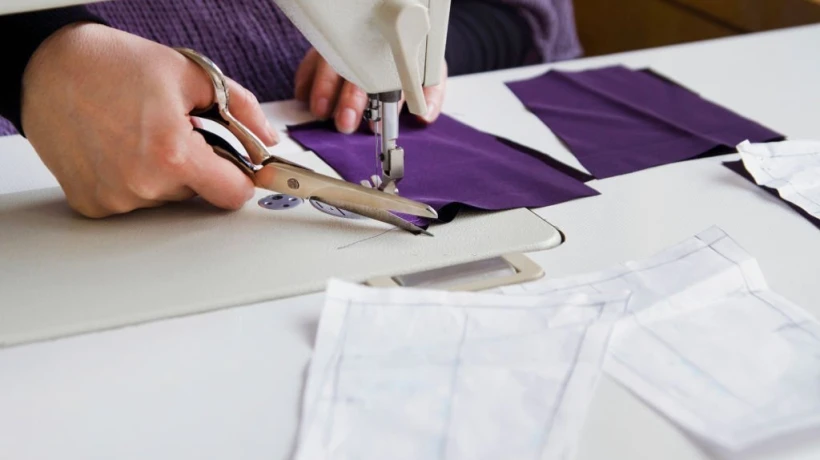
Cut-and-sew is a cornerstone of modern apparel manufacturing, giving brands and designers the ability to create high-quality, made-to-order clothing that stands out in a crowded market.
In the world of fashion, customization and quality are key differentiators for brands. One method that allows brands to achieve both is cut-and-sew apparel manufacturing. Unlike ready-made or mass-produced garments, cut-and-sew gives designers and brands control over every element of production, from fabric selection to final stitching. By understanding how cut-and-sew works, businesses can make better decisions when producing unique clothing collections.
Understanding Cut-and-Sew
Cut-and-sew refers to the process where garments are made from separate pieces of fabric that are individually cut and then sewn together. This process allows designers to fully customize every aspect of a garment, from fit and shape to fabric and pattern. The use of custom fabric cutting and sewing ensures that each piece meets precise specifications, offering brands the flexibility to create distinctive apparel.
Key advantages of cut-and-sew production include:
-
Full control over design details
-
Flexibility in fabric and pattern combinations
-
Precision in sizing and fit
-
Ability to produce both small and large batches
Through these methods, brands can differentiate themselves with high-quality, tailor-made garments.
How Cut-and-Sew Works
The cut-and-sew process involves several critical stages, each designed to maintain precision and quality throughout garment production.
1. Design and Pattern Making
-
Designers create sketches and specifications
-
Patterns for each garment piece are developed
-
Adjustments for sizing and fit are incorporated
This stage sets the foundation for all subsequent steps in made-to-order clothing production.
2. Fabric Selection
-
Fabrics are chosen based on style, feel, and durability
-
High-quality fabrics are prioritized to ensure longevity and comfort
-
Specialty fabrics, prints, and textures can be incorporated
3. Fabric Cutting
-
Each garment piece is cut individually according to the pattern
-
Cutting must be precise to ensure perfect alignment and fit
-
Advanced machinery or skilled manual cutting is often used
This is where custom fabric cutting and sewing ensures each piece meets exact specifications.
4. Sewing and Assembly
-
Cut pieces are sewn together following design specifications
-
Reinforced stitching is applied at stress points
-
Linings, trims, and embellishments are added
5. Quality Control
-
Garments undergo thorough inspection for stitching accuracy, fit, and fabric quality
-
Any defects are corrected before packaging
-
Consistency is critical for both small and large production runs
6. Packaging and Delivery
-
Finished garments are packaged according to client requirements
-
Efficient packaging ensures protection during shipping
-
Garments are then distributed to retailers or customers
Advantages of Cut-and-Sew Manufacturing
Cut-and-sew manufacturing provides several benefits that make it ideal for fashion brands and designers.
-
Customization: Every aspect of the garment can be tailored to brand specifications
-
Scalability: Suitable for small, medium, or large production runs
-
Quality Control: Each piece is inspected and verified for consistent results
-
Design Flexibility: Multiple fabrics, patterns, and styles can be combined
By using full-package cut-and-sew services, brands can streamline the process, leaving sourcing, cutting, sewing, and packaging to experienced manufacturers.
Working with Reliable Cut-and-Sew Suppliers
Finding the right manufacturing partner is essential to achieving high-quality results. Reliable cut-and-sew suppliers ensure consistency, efficiency, and professional handling of all stages of production.
When evaluating suppliers, consider:
-
Experience with different fabric types and garment styles
-
Ability to scale production without compromising quality
-
Turnaround time and communication efficiency
-
Compliance with ethical and sustainable practices
Strong partnerships with apparel manufacturing partners provide brands with a competitive advantage in delivering consistent, high-quality products to the market.
Applications of Cut-and-Sew Production
Cut-and-sew methods are widely used across various apparel categories, including:
-
Custom t-shirts and hoodies
-
Jackets and outerwear
-
Dresses and skirts
-
Activewear and sportswear
-
Private label and made-to-order clothing lines
The flexibility of cut-and-sew production makes it ideal for both fashion-forward brands and practical clothing businesses seeking reliable, repeatable results.
Sustainability in Cut-and-Sew Manufacturing
Modern brands increasingly prioritize sustainability. Cut-and-sew production can align with these goals by:
-
Reducing fabric waste through precise cutting
-
Using eco-friendly fabrics and dyes
-
Producing on-demand garments to minimize overproduction
Sustainable made-to-order clothing production not only reduces environmental impact but also strengthens brand reputation among conscious consumers. more
Scaling Private Label Production
Cut-and-sew manufacturing is particularly beneficial for private label brands. With access to full-package cut-and-sew services, brands can launch their own clothing lines without investing in manufacturing facilities.
Benefits include:
-
Ability to offer custom designs and limited editions
-
Efficient management of seasonal collections
-
Access to experienced labor and advanced machinery
-
Reliable production timelines and quality assurance
Collaborating with wholesale clothing manufacturers ensures that private label brands can scale efficiently while maintaining product integrity.
Final Thoughts
Cut-and-sew is a cornerstone of modern apparel manufacturing, giving brands and designers the ability to create high-quality, made-to-order clothing that stands out in a crowded market. From custom fabric cutting and sewing to partnering with reliable cut-and-sew suppliers and using full-package cut-and-sew services, every stage of the process contributes to the final garment’s quality and uniqueness.
Working with experienced wholesale clothing manufacturers enables brands to maintain control over design, quality, and delivery, ensuring that their clothing collections meet consumer expectations and stand out in the fashion industry.
Comments
Login to Comment