What Is Anger Management Therapy and How Does It Work
03 Mar, 2026
6060 Views 0 Like(s)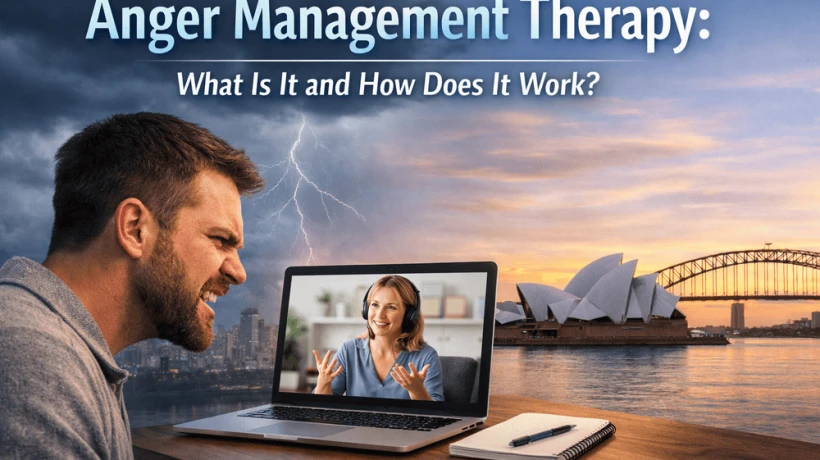
If you’ve ever felt like your anger is taking control rather than the other way around, this guide explains how anger management therapy works, who it’s for, and what you can expect from treatment.
Anger Management Therapy is a structured, evidence-based approach designed to help individuals understand, control, and express anger in healthier ways. While anger itself is a normal human emotion, unmanaged anger can affect relationships, careers, and overall mental well-being. In Australia, more people are seeking professional support to manage emotional regulation challenges before they escalate into serious personal or legal issues.
If you’ve ever felt like your anger is taking control rather than the other way around, this guide explains how anger management therapy works, who it’s for, and what you can expect from treatment.
Understanding Anger: When Is It a Problem?
Anger isn’t inherently bad. In fact, it can be useful. It alerts us to injustice, helps us set boundaries, and motivates change. However, anger becomes problematic when it:
-
Feels intense or overwhelming
-
Occurs frequently or unpredictably
-
Leads to verbal or physical aggression
-
Damages relationships at home or work
-
Causes regret, guilt, or shame afterwards
In some cases, chronic anger may be linked to underlying mental health conditions such as anxiety disorders, depression, trauma-related disorders, or personality difficulties. This is where professional therapy becomes essential.
What Is Anger Management Therapy?
Anger Management Therapy is a specialised form of psychological treatment that helps individuals identify triggers, understand emotional responses, and develop practical coping strategies.
It is not about “suppressing” anger. Instead, therapy focuses on:
-
Recognising early warning signs
-
Understanding the root causes
-
Reframing unhelpful thoughts
-
Learning healthier communication styles
-
Building long-term emotional regulation skills
In Australia, anger management support is typically delivered by psychologists, psychiatrists, or accredited mental health professionals through in-person or telehealth sessions.
How Does Anger Management Therapy Work?
Anger Management Therapy follows a structured process. While each treatment plan is personalised, most programs include the following components:
1. Assessment and Understanding Triggers
The first step involves a thorough assessment. Your clinician will explore:
-
Situations that trigger anger
-
Patterns in your reactions
-
Past experiences influencing emotional responses
-
Current stressors (work, family, financial pressures)
For many Australians, stress related to work-life balance, family responsibilities, or relationship strain can contribute significantly to anger outbursts.
By identifying triggers, therapy begins to uncover the deeper patterns behind emotional responses.
2. Recognising Physical and Emotional Warning Signs
Anger often builds gradually. Learning to detect early signs can prevent escalation. Common warning signs include:
-
Increased heart rate
-
Muscle tension
-
Clenched jaw or fists
-
Racing thoughts
-
Irritability
Therapists teach clients to pause when these signs appear, creating space to choose a different response.
3. Cognitive Behavioural Techniques (CBT)
One of the most effective approaches used in anger management is Cognitive Behavioural Therapy (CBT).
CBT focuses on identifying unhelpful thought patterns such as:
-
“They’re disrespecting me on purpose.”
-
“This always happens to me.”
-
“I can’t handle this.”
By challenging and reframing these thoughts, clients learn to respond more calmly and rationally.
For example, instead of assuming hostility, therapy may help someone consider alternative explanations. This reduces emotional intensity and improves decision-making.
4. Developing Healthy Coping Strategies
Anger Management Therapy equips individuals with practical tools, including:
-
Deep breathing techniques
-
Progressive muscle relaxation
-
Time-out strategies
-
Mindfulness practices
-
Problem-solving skills
These techniques are especially useful in high-pressure environments such as workplaces, traffic situations, or family disputes.
5. Improving Communication Skills
Often, anger is a reaction to feeling unheard or misunderstood. Therapy teaches assertive communication skills, including:
-
Expressing needs clearly
-
Setting boundaries respectfully
-
Listening actively
-
Avoiding blame-based language
Learning to say, “I feel frustrated when…” instead of reacting aggressively can transform personal and professional relationships.
Who Can Benefit from Anger Management Therapy?
Anger management support isn’t only for individuals with severe aggression. Many people seek therapy simply because they want better emotional control.
It may be suitable if you:
-
Experience frequent arguments
-
Struggle with workplace conflict
-
Have difficulty controlling road rage
-
Feel overwhelmed by parenting stress
-
Have been advised by a court or employer to seek support
In Australia, anger management programs are sometimes recommended in legal or workplace contexts, but many people choose therapy voluntarily to improve their quality of life.
Is Anger Linked to Other Mental Health Conditions?
Yes. Chronic anger can sometimes be connected to:
-
Anxiety disorders
-
Depression
-
Trauma or PTSD
-
Substance use issues
-
Personality-related challenges
A qualified mental health professional will assess whether anger is a primary issue or part of a broader condition. Treating the underlying cause often significantly reduces anger symptoms.
What to Expect in an Australian Therapy Setting
In Australia, mental health services are delivered through private clinics, community health services, and telehealth platforms.
During sessions, you can expect:
-
Confidential and non-judgmental support
-
Structured therapy plans
-
Homework exercises between sessions
-
Measurable goal setting
Some clients may also access Medicare rebates through a Mental Health Treatment Plan provided by their GP.
How Long Does Anger Management Therapy Take?
The duration varies depending on individual needs.
-
Mild anger issues: 6–10 sessions
-
Moderate challenges: 10–20 sessions
-
Complex or trauma-related anger: Longer-term therapy
Consistency plays a key role. Like any skill, emotional regulation improves with practice over time.
Online Anger Management Therapy in Australia
Telehealth has made mental health support more accessible across Australia, particularly for individuals in rural or regional areas.
Online therapy offers:
-
Flexible scheduling
-
Access from home
-
Reduced travel time
-
Greater privacy
For busy professionals or parents, virtual sessions can be a practical and effective option without compromising quality of care.
Common Myths About Anger Management Therapy
Myth 1: It’s Only for Violent People
Reality: Many clients simply want better emotional control and improved relationships.
Myth 2: It Teaches You to Suppress Anger
Reality: Therapy focuses on healthy expression, not suppression.
Myth 3: It Doesn’t Work
Reality: Evidence-based approaches such as CBT have strong research backing for emotional regulation and behavioural change.
The Long-Term Benefits of Anger Management Therapy
Investing in emotional wellbeing can lead to:
-
Stronger relationships
-
Improved workplace performance
-
Better decision-making
-
Reduced stress levels
-
Enhanced mental health
Over time, individuals often report feeling more in control, confident, and balanced.
When Should You Seek Help?
Consider professional support if:
-
Your anger feels uncontrollable
-
You regret your reactions frequently
-
Loved ones express concern
-
Anger is affecting your career
-
You feel emotionally exhausted
Seeking therapy is not a sign of weakness, it's a proactive step toward personal growth.
Taking the First Step Towards Change
Anger can feel overwhelming, but it doesn’t have to define your life. With the right guidance, individuals can learn practical tools to respond rather than react.
At ExpertMinds, our experienced mental health professionals provide structured, confidential Anger Management Therapy tailored to the needs of Australians. Whether you’re navigating workplace pressures, relationship strain, or long-standing emotional patterns, support is available.
Final Thoughts
Anger is a natural emotion, but unmanaged anger can create serious consequences. Anger Management Therapy offers a practical, evidence-based pathway to understanding emotional triggers, reshaping thought patterns, and building healthier coping mechanisms.
In Australia, accessing professional support is easier than ever, whether through in-person consultations or telehealth services. If you’re ready to regain control, improve relationships, and build stronger emotional resilience, seeking therapy may be the most empowering step forward.
Emotional growth doesn’t happen overnight, but with commitment and the right support, meaningful change is absolutely possible.



Comments
Login to Comment