What Foods Are Good for Gastritis
04 Feb, 2026
8646 Views 0 Like(s)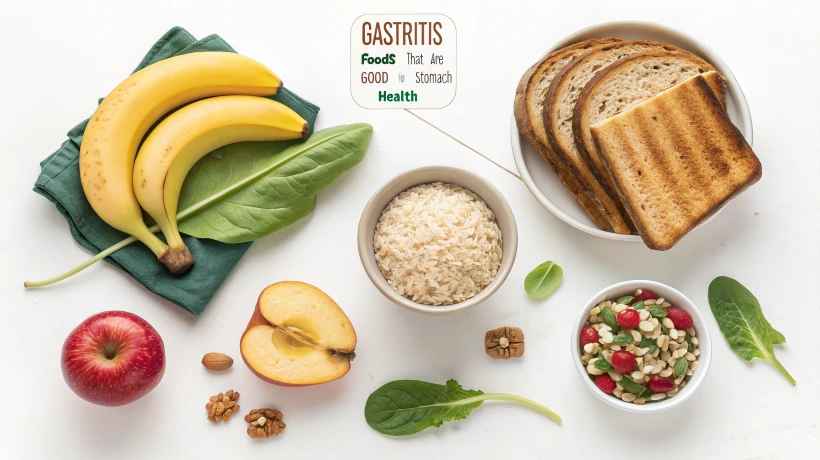
Gastritis is one of the most common digestive problems today, affecting millions of people due to poor eating habits, stress, infections, and the overuse of certain medications. It occurs when the stomach lining becomes inflamed or irritated, leading to discomfort, pain, nausea, or bloating after meals.
Gastritis is one of the most common digestive problems today, affecting millions of people due to poor eating habits, stress, infections, and the overuse of certain medications. It occurs when the stomach lining becomes inflamed or irritated, leading to discomfort, pain, nausea, or bloating after meals.
Fortunately, gastritis can often be managed effectively with dietary changes and medical care. Choosing the right foods can help soothe your stomach, reduce inflammation, and promote healing. In this blog, we’ll explore the best foods for gastritis, what to avoid, and when you should see the best gastroenterologist in Ghaziabad for proper diagnosis and treatment.
Understanding Gastritis: Causes and Symptoms
Before looking at the diet, it’s important to understand what causes gastritis. Common triggers include:
-
Helicobacter pylori (H. pylori) infection
-
Long-term NSAID use, such as ibuprofen or aspirin
-
Excessive alcohol consumption
-
High-stress levels
-
Eating spicy, oily, or processed foods regularly
Typical symptoms include:
-
Burning or pain in the upper abdomen
-
Nausea or vomiting
-
Loss of appetite
-
Bloating and burping
-
Indigestion or discomfort after meals
If these symptoms persist, it’s best to consult the best gastroenterologist in Ghaziabad to identify the root cause and receive tailored treatment.
1. Healing Foods for Gastritis
Your stomach lining needs time and nutrients to repair itself. Eating foods that are easy to digest and non-irritating can help calm inflammation.
a. High-Fiber Foods
Fiber supports digestion and helps move food smoothly through the gut. Opt for:
-
Oatmeal, brown rice, and barley
-
Whole-grain toast
-
Steamed vegetables like carrots, broccoli, and spinach
However, if you experience bloating, introduce fiber gradually to allow your stomach to adjust.
b. Probiotic Foods
Probiotics replenish the healthy bacteria in your gut, helping balance stomach acid and reduce gastritis symptoms.
Include:
-
Curd or yogurt with live cultures
-
Buttermilk
-
Homemade pickles (without vinegar)
-
Fermented foods like dosa or idli
Probiotics are especially beneficial for people with H. pylori–related gastritis, as they help suppress bacterial growth.
c. Lean Proteins
Protein is vital for repairing tissues, including the stomach lining. Choose:
-
Skinless chicken or turkey (grilled or boiled)
-
Fish such as salmon or cod
-
Eggs (soft-boiled or poached)
-
Tofu, paneer, and lentils for vegetarians
Avoid spicy gravies and fried meat dishes that can worsen inflammation.
d. Non-Acidic Fruits
Acidic fruits like oranges or pineapples can irritate gastritis. Choose milder fruits such as:
-
Bananas
-
Apples (preferably baked or stewed)
-
Melons and papaya
-
Pears
These fruits are packed with vitamins and antioxidants that support healing.
e. Vegetables That Soothe
Boiled or lightly steamed vegetables are gentle on the stomach. Go for:
-
Pumpkin
-
Cabbage
-
Green beans
-
Zucchini
-
Potatoes and sweet potatoes
Avoid raw salads or spicy dressings if your stomach is sensitive.
f. Healthy Fats
Instead of butter or ghee-heavy meals, use:
-
Olive oil
-
Avocado (in small quantities)
-
Nuts like almonds (unsalted and soaked)
These provide essential nutrients without triggering acidity.
2. Foods to Avoid with Gastritis
Certain foods and drinks can worsen gastritis symptoms by increasing stomach acid or directly irritating the stomach lining.
Avoid:
-
Spicy foods: Red chili, black pepper, and hot sauces
-
Fried and fatty foods: Pakoras, chips, burgers, or street foods
-
Caffeinated drinks: Coffee, strong tea, and energy drinks
-
Carbonated beverages: Soft drinks and soda
-
Alcohol and smoking: Both increase acid production and delay healing
-
Citrus fruits: Oranges, lemons, and tomatoes
Eliminating these triggers can significantly reduce stomach pain and bloating.
3. Smart Eating Habits for Gastritis Relief
What you eat is important—but how you eat also matters. Follow these healthy eating habits for better digestion:
-
Eat smaller, more frequent meals: Instead of 3 large meals, try 5–6 smaller ones.
-
Chew food thoroughly: Helps reduce digestive workload.
-
Avoid lying down immediately after eating: Wait at least 2–3 hours before sleeping.
-
Drink water throughout the day: Stay hydrated but avoid gulping large amounts during meals.
-
Manage stress: Yoga, meditation, or deep breathing can reduce acidity triggered by anxiety.
These small changes can make a noticeable difference in gastritis recovery.
4. Lifestyle Tips to Support a Healthy Stomach
Diet alone won’t cure gastritis—you’ll also need to make lifestyle adjustments. Here are some simple steps:
-
Avoid skipping meals.
-
Limit NSAID painkillers; use only under medical supervision.
-
Get enough sleep to support healing.
-
Quit smoking—it damages the stomach lining.
-
Exercise moderately; walking after meals aids digestion.
If symptoms persist despite these steps, it’s crucial to consult a qualified gastroenterologist for further evaluation.
5. When to Consult the Best Gastroenterologist in Ghaziabad
If you’re experiencing constant stomach pain, burning, or acidity that doesn’t improve with dietary changes, don’t ignore it. Chronic gastritis can lead to ulcers or even precancerous changes in the stomach lining if left untreated.
Visiting the best gastroenterologist in Ghaziabad ensures you get:
-
A proper diagnosis using tests like endoscopy or H. pylori detection
-
A personalized diet plan based on your condition
-
Safe and effective medications to reduce acid and promote healing
-
Long-term guidance on maintaining gut health
A skilled gastroenterologist can help identify food sensitivities, tailor your treatment, and prevent future flare-ups.
6. Sample One-Day Diet Plan for Gastritis
Here’s a simple meal plan you can follow:
Morning (empty stomach): Warm water with a few soaked almonds
Breakfast: Oatmeal with banana slices
Mid-morning snack: Buttermilk or yogurt
Lunch: Steamed rice, boiled vegetables, and grilled chicken/fish or dal
Evening snack: Papaya or baked apple
Dinner: Khichdi or vegetable soup
Before bed: A cup of chamomile tea or warm water
This routine supports gentle digestion and helps prevent acid reflux at night.
Conclusion
Gastritis can be uncomfortable, but with the right food choices and medical guidance, it’s highly manageable. Focus on simple, nourishing, and non-acidic meals, and avoid known irritants like spicy or fried foods.
If symptoms persist, don’t rely on self-medication—consult the best gastroenterologist in Ghaziabad for accurate diagnosis and long-term relief. Early intervention, balanced nutrition, and healthy habits can help you restore your digestive health and live comfortably.



Comments
Login to Comment