The Growing Demand for White Gold Jewelry in Global Markets
20 Jun, 2026
1305 Views 0 Like(s)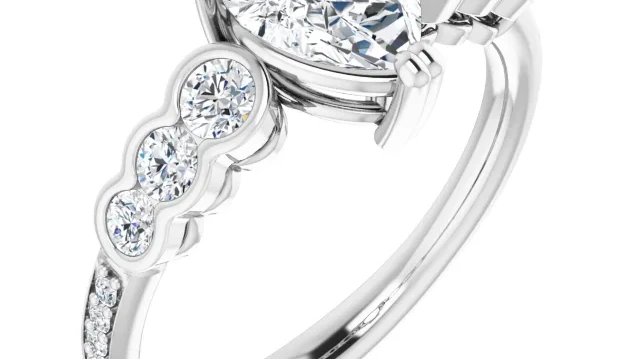
The worldwide jewelry industry is evolving as consumers seek pieces that combine elegance, durability, and modern style. White-toned precious metal jewelry has emerged as a preferred choice among buyers, influencing trends across luxury, bridal, and everyday fashion markets.
Why White-Toned Jewelry Continues to Capture Global Attention
Jewelry trends have changed significantly over the last decade, driven by shifting consumer preferences, global fashion influences, and a growing appreciation for timeless designs. While yellow-toned metals have maintained their place in the industry, white-toned jewelry has steadily gained popularity among people looking for sophistication without excessive ornamentation.
From engagement rings and wedding bands to necklaces, bracelets, and statement pieces, this category of jewelry has become a favorite among consumers in various markets around the world. Its clean appearance, versatility, and compatibility with different gemstones make it a practical and stylish option for both formal and casual wear.
The increasing demand for white-toned jewelry is not limited to a specific region. Buyers across North America, Europe, Asia, and the Middle East are embracing designs that reflect contemporary tastes while retaining the value associated with precious metals. As global fashion continues to evolve, this trend shows no signs of slowing down.
The Modern Appeal of White-Toned Jewelry
One of the primary reasons behind the growing demand is its modern and refined appearance. Consumers today often prefer jewelry that complements a wide range of outfits rather than pieces that are reserved for special occasions. White-toned metals offer exactly that flexibility.
Their neutral color allows them to pair effortlessly with various gemstones, including diamonds, sapphires, emeralds, and other precious stones. This adaptability makes them a preferred choice among jewelry designers who seek to create collections that appeal to diverse customer preferences.
Another factor contributing to their popularity is their understated elegance. Rather than drawing attention solely through color, these pieces highlight craftsmanship, gemstone brilliance, and design details. This subtle sophistication resonates strongly with modern buyers who appreciate luxury without excessive extravagance.
Social media platforms and digital fashion influencers have also played a significant role in shaping consumer preferences. Jewelry styles showcased by celebrities and fashion personalities frequently feature white-toned settings, reinforcing their status as a contemporary fashion staple.
Changing Consumer Preferences in Global Markets
The jewelry market has witnessed a noticeable shift toward personalization and long-term value. Consumers are becoming more selective in their purchasing decisions, focusing on products that offer both aesthetic appeal and practical benefits.
Younger generations, particularly millennials and Gen Z buyers, often prioritize versatility when selecting jewelry. They seek pieces that can transition seamlessly from professional environments to social gatherings and formal events. White-toned jewelry aligns perfectly with this preference, making it an attractive investment.
The bridal jewelry sector has been particularly influential in driving demand. Many couples are moving away from traditional choices and opting for modern alternatives that reflect their personal style. As a result, white-toned engagement rings and wedding bands have become increasingly popular in numerous international markets.
Additionally, globalization has introduced consumers to jewelry trends from different cultures. Fashion inspiration travels rapidly through digital channels, allowing styles that were once region-specific to gain worldwide recognition. This interconnectedness has accelerated the acceptance and popularity of contemporary jewelry designs featuring white-toned metals.
Understanding the Material Behind the Beauty
As consumer interest continues to grow, many buyers want to learn more about the materials used in their favorite jewelry pieces. Understanding the composition of precious metals helps individuals make informed purchasing decisions and appreciate the craftsmanship involved in jewelry production.
Many shoppers frequently ask questions regarding durability, appearance, maintenance, and value retention. For those interested in exploring the composition and characteristics of this popular precious metal, they can read more about What Is White Gold Made Of to gain a deeper understanding of how its distinctive appearance is achieved and why it remains a sought-after choice among jewelry enthusiasts.
Education has become an important aspect of the buying journey. Modern consumers conduct extensive research before making significant purchases, especially when investing in fine jewelry. Access to accurate information empowers buyers to select pieces that align with their expectations and lifestyle requirements.
The Influence of Luxury and Fashion Industries
The luxury sector continues to be a major force behind the increasing popularity of white-toned jewelry. High-end fashion houses frequently incorporate these metals into their collections, showcasing them on international runways and in exclusive campaigns.
Luxury brands understand the importance of creating pieces that appeal to contemporary tastes while maintaining timeless elegance. White-toned metals offer the perfect balance between these objectives. Their sophisticated appearance complements both classic and modern designs, making them suitable for a broad audience.
Fashion trends have also embraced minimalist aesthetics in recent years. Clean lines, subtle detailing, and versatile accessories have become increasingly desirable among consumers. Jewelry crafted in white-toned metals naturally aligns with these preferences, helping sustain strong market demand.
Celebrity endorsements further amplify this trend. Public figures often wear white-toned jewelry at red carpet events, award ceremonies, and public appearances. These high-visibility moments influence consumer behavior and contribute to broader market adoption.
Additionally, luxury consumers increasingly value jewelry that remains relevant despite changing fashion cycles. Pieces featuring white-toned metals are often viewed as timeless investments capable of retaining their appeal over many years.
Innovation and Craftsmanship Driving Demand
Advancements in jewelry manufacturing have significantly enhanced the quality and variety of white-toned jewelry available to consumers. Modern production techniques enable jewelers to create intricate designs that were once difficult or impossible to achieve.
Computer-aided design technology, precision casting methods, and advanced finishing techniques allow manufacturers to produce highly detailed pieces while maintaining exceptional quality standards. These innovations have expanded design possibilities and increased consumer interest.
Customization has become another important market driver. Many buyers now seek unique pieces tailored to their personal preferences. White-toned metals provide an excellent foundation for customized jewelry due to their versatility and compatibility with different gemstones and design styles.
The growing emphasis on craftsmanship has also influenced purchasing decisions. Consumers appreciate jewelry that reflects artistic skill and attention to detail. As awareness of quality standards increases, buyers are becoming more willing to invest in well-crafted pieces that offer both beauty and longevity.
Building Trust Through Knowledge and Transparency
Modern jewelry buyers place considerable importance on transparency. They want to understand the origins of materials, manufacturing processes, and long-term maintenance requirements before making a purchase.
Educational resources play a critical role in addressing these concerns. Reputable industry sources and experts help consumers navigate complex topics related to precious metals, gemstone selection, and jewelry care.
Companies that prioritize education often build stronger relationships with their customers. By providing valuable information and helping buyers make informed decisions, they establish trust that extends beyond a single transaction.
This commitment to consumer education is reflected by brands such as Antiquecut, which contribute to a more informed jewelry marketplace through detailed resources and insights that help buyers better understand fine jewelry materials and craftsmanship.
Conclusion
The growing demand for white-toned jewelry reflects broader changes in consumer preferences, fashion trends, and purchasing behavior. Buyers today seek pieces that combine elegance, versatility, and lasting value, making this category of jewelry particularly appealing across global markets.
From bridal collections and luxury fashion to everyday accessories, white-toned jewelry continues to attract attention for its sophisticated appearance and adaptability. Advances in craftsmanship, increased consumer education, and the influence of international fashion trends have further strengthened its position within the jewelry industry.
As global demand continues to rise, this style of jewelry is likely to remain a preferred choice for consumers seeking timeless beauty and contemporary elegance. Its ability to complement diverse tastes while maintaining enduring appeal ensures that it will continue to play a significant role in the future of the worldwide jewelry market.


Comments
Login to Comment