The Growing Demand for Loughshinny Crab in Ireland
22 Feb, 2026
6897 Views 0 Like(s)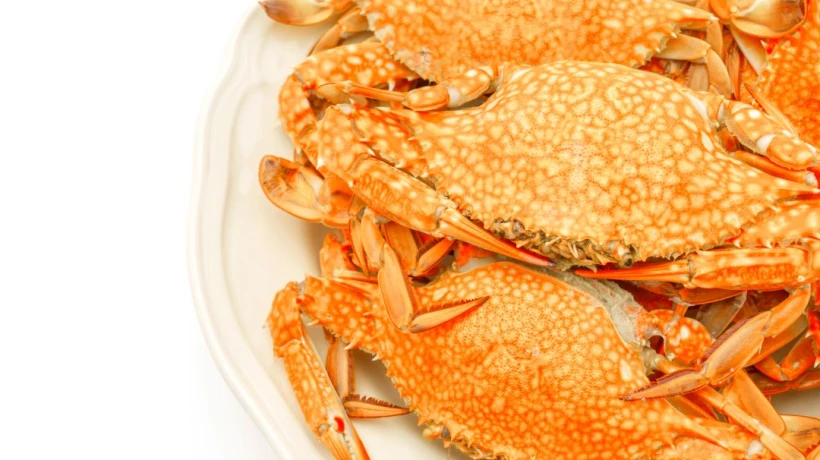
Loughshinny crab demand is rising in Ireland as restaurants and retailers prioritise fresh, locally sourced, and sustainably caught seafood with full traceability.
Fresh Irish crab has become one of the most sought-after seafood choices across the country. From fine dining restaurants to local fish counters, buyers now place strong value on quality, traceability, and local catch.
This shift has led to a clear rise in Loughshinny Crab Demand across Ireland. Chefs want sweet, firm meat. Retailers want a reliable local supply. Customers want seafood they can trust.
Loughshinny, a small fishing village in North County Dublin, has built a strong reputation for premium brown crab. As interest in Irish seafood grows, this coastal product stands out for its freshness and flavour.
The demand reflects changing tastes, stronger sustainability awareness, and support for local fishermen.
The Reputation of Loughshinny Crab in Irish Seafood
Quality drives demand in the seafood market. Loughshinny has earned a strong name among chefs and buyers.
The waters off the Dublin coast are cold and clean. These conditions support healthy shellfish stocks. Brown crab from this region is known for:
-
Sweet white claw meat
-
Rich brown body meat
-
Firm texture after cooking
Irish seafood buyers often prefer locally landed crab over imported alternatives. According to Bord Bia, consumer interest in Irish seafood has grown steadily in recent years. Shoppers now check origin labels more closely than before.
The small-scale fishing methods used in Loughshinny also build trust. Local boats land fresh crab daily. This short supply chain protects quality.
Restaurants value consistency. Retailers value freshness. Both benefit from dependable coastal sourcing.
Loughshinny Crab Demand in Restaurants and Retail
Irish restaurants now highlight local seafood on menus. This shift directly impacts Loughshinny Crab Demand in both hospitality and retail sectors.
Chefs appreciate its versatility. It works well in:
-
Crab claws with garlic butter
-
Fresh crab salad
-
Seafood chowder
-
Crab linguine
Retailers also report higher sales of fresh crab during holiday seasons. Christmas and summer months show strong buying patterns.
One reason is customer awareness. Diners now ask where seafood comes from. Locally caught crab offers a clear answer.
When supply is traceable, confidence rises. Buyers know who caught it and when it was landed.
The growing interest in premium Irish seafood continues to support steady market growth.
Sustainability and Responsible Fishing Practices
Sustainability is no longer optional. It shapes purchasing decisions in Ireland’s seafood industry.
Irish crab fisheries follow strict European Union regulations. These rules protect stock levels and prevent overfishing. Pot fishing methods used for crab are low impact compared to trawling.
Why Sustainable Crab Matters
-
Protects future stock levels
-
Supports marine ecosystems
-
Builds long-term supply security
Consumers increasingly choose seafood with clear sourcing information. According to Marine Institute Ireland, responsible fisheries management plays a key role in protecting Ireland’s coastal resources.
Supporting local fishermen also strengthens coastal communities. Sustainable harvesting keeps both the ocean and the industry healthy.
This responsible approach adds long-term value to Irish crab.
Why Chefs Prefer Local Crab Over Imports
Freshness affects flavour. Local sourcing reduces transport time. That difference matters in seafood.
Imported crab often travels long distances. This can reduce quality and increase handling time. Locally landed crab reaches kitchens faster.
Chefs often mention three main reasons for choosing local catch:
-
Better flavour
-
Shorter supply chain
-
Clear traceability
Seafood buyers also reduce carbon footprint when sourcing locally. Short transport routes support environmental goals.
Restaurants aiming for seasonal Irish menus rely on products that reflect local waters. Fresh coastal crab fits perfectly into that trend.
Consistency and quality help kitchens maintain high standards.
Market Trends Driving Increased Demand
Food trends strongly influence seafood markets. Irish diners now value simple, fresh ingredients.
The rise in seafood-focused dining has helped increase demand for premium shellfish. Cooking shows and food festivals highlight Irish coastal produce.
Social media also plays a role. Dishes featuring fresh crab attract attention online. Visual appeal boosts interest.
Retail buyers report growth in fresh seafood counters compared to processed products. Customers prefer whole crab or freshly picked meat.
The shift toward local sourcing in restaurants further strengthens demand. Buyers choose quality over volume.
As Irish consumers grow more informed, demand aligns with taste, sustainability, and origin.
The Role of Traceability in Modern Seafood Buying
Traceability builds trust. Buyers want to know where seafood comes from.
Clear labeling of catch area and landing date supports informed purchasing. Loughshinny’s small fishing fleet allows close monitoring of supply.
Key Traceability Factors
-
Landing location
-
Catch method
-
Date of harvest
This transparency supports both restaurants and retailers. It reassures customers about freshness and sourcing standards.
Seafood buyers today expect clear supply chains. Products with strong traceability gain preference.
Reliable documentation and consistent quality strengthen long-term partnerships in the seafood trade.
Frequently Asked Questions
Q1. Why is Loughshinny crab popular in Ireland?
Loughshinny crab is valued for its sweet flavour and firm texture. It is caught locally in clean coastal waters. Restaurants and retailers trust its freshness and traceability.
Q2. Is Loughshinny crab sustainably sourced?
Yes. Irish crab fisheries operate under EU regulations. Pot fishing methods are low impact and help protect crab stocks and marine ecosystems.
Q3. When is Irish crab in highest demand?
Demand rises during summer and Christmas seasons. Restaurants feature crab in seasonal dishes, and retailers see increased holiday sales.
Q4. How does local sourcing improve seafood quality?
Local sourcing reduces transport time. This protects freshness and flavour. It also provides clear traceability from boat to kitchen.
Q5. Who buys Loughshinny crab?
Restaurants, seafood retailers, and food enthusiasts purchase it. It is popular among chefs who value Irish seafood and consistent supply.
Conclusion
The steady rise in Loughshinny Crab Demand reflects a wider shift in Irish seafood culture. Buyers now prioritise freshness, traceability, and sustainable sourcing. Restaurants seek premium flavour. Retailers want dependable local supply. Customers value origin and responsible fishing practices.
Enjoying premium seafood requires freshness, traceability, and sustainable sourcing. By supporting practices that prioritize local fishermen and environmentally responsible harvesting, seafood lovers can enjoy the best flavors while contributing to the health of Irish coastal communities.


Comments
Login to Comment