Tarpaulin Uses in Construction and Infrastructure Projects
22 Jan, 2026
9819 Views 0 Like(s)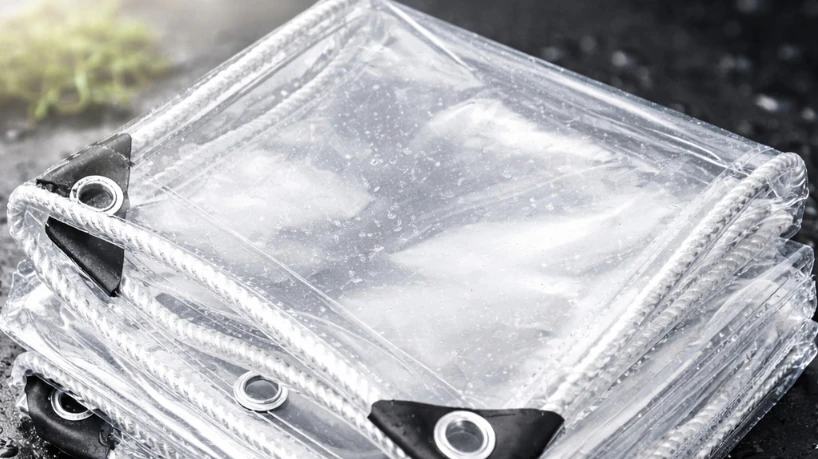
Tarpaulin sheets are not just for short-term use. They can stay in place for days or weeks if needed. This long-term coverage protects against ongoing weather changes.
Construction sites face many challenges. From protecting materials to keeping workers safe, project managers must think ahead. One of the most versatile solutions is the tarpaulin. It is simple, affordable, and used in many ways to keep construction work smooth and safe. In this article, we will explore how Tarpaulin helps in construction and infrastructure projects.
Tarpaulin for Protecting Building Materials
How Tarpaulin Keeps Materials Dry
Cement, sand, and bricks are easily damaged by rain or moisture. Covering them with a tarpaulin sheet prevents water from ruining the materials. This helps save money and avoids delays caused by replacing wet supplies. Workers can quickly secure tarpaulin over piles, making it an easy and effective solution. Using tarpaulin also keeps materials organized on the site.
Benefits of Using Clear Tarpaulin on Site
Clear tarpaulin provides the same protection from rain while allowing sunlight to pass through. This means workers can see the materials clearly without removing the cover. It also reduces the risk of accidents by keeping the site well-lit. Additionally, clear tarpaulin is durable and can last for many weeks if handled carefully.
Easy Setup of Tarpaulin Sheets for Materials
Spreading a tarpaulin sheet over materials does not require special tools or expertise. Workers can lift, position, and secure it in just a few minutes. This quick setup saves time and allows the construction team to focus on other important tasks. It also ensures that materials remain clean and dry throughout the day.
Tarpaulin in Temporary Shelter Construction
Quick Shelter with Tarpaulin Sheets
Construction workers often need temporary shelters for breaks or storage. Tarpaulin sheets provide a lightweight solution that can be set up almost anywhere. These shelters protect workers from sun, rain, or wind. They are especially helpful in sites without permanent structures.
Clear Tarpaulin for Light-Filled Shelters
Using clear tarpaulin makes temporary shelters brighter during the day. Sunlight passes through the material, creating a naturally lit environment. Workers can see and move safely inside the shelter. This reduces the need for extra lighting while still keeping the shelter protected from the elements.
Secure Tarpaulin Shelters with Ropes
Ropes or poles can secure Clear Tarpaulin sheets to prevent them from shifting or blowing away. A properly anchored shelter stays stable even during windy weather. This method keeps the area safe and organized while providing a comfortable space for rest or storage. Workers appreciate the flexibility and ease of using tarpaulin in this way.
Tarpaulin for Scaffolding and Safety Covers
Tarpaulin Sheets Protect Workers
Safety is critical when working at heights. Tarpaulin sheets wrap around scaffolding to catch falling tools or debris. This reduces accidents and keeps workers below the scaffold safe. Tarpaulin also helps maintain a clean area by preventing materials from scattering.
Using Clear Tarpaulin Around Scaffolds
Clear tarpaulin improves visibility while still providing protection. Workers can monitor construction progress without lifting covers. It also lets light in, making work safer and more efficient. Using clear tarpaulin in this way is a simple safety improvement that every site can implement.
Easy Installation of Tarpaulin Safety Covers
Installing tarpaulin around scaffolds is fast and does not require complicated tools. Workers can attach sheets with ropes, clamps, or hooks. This flexibility makes it possible to adjust covers as construction progresses. The method is both practical and cost-effective.
Tarpaulin for Ground Protection
Protecting Soil and Pavement with Tarpaulin Sheets
Heavy equipment and constant material movement can damage ground surfaces. Tarpaulin sheets act as temporary ground covers, protecting soil, pavement, or concrete. This reduces cleaning efforts and prevents stains or erosion. It also keeps the site more professional and organized.
Quick Cleanup with Tarpaulin
Tarpaulin makes site cleanup faster. Dust, mud, or small debris stays on the sheet and can be collected easily. Workers do not need to sweep or hose down the area constantly. This saves time and effort while maintaining safety on the construction site.
Repositioning Tarpaulin for Flexible Protection
Tarpaulin sheets are easy to move and reposition as needed. Workers can adjust their placement to cover different sections of the site during the day. This flexibility allows the sheets to protect multiple areas efficiently. It also reduces the need to buy extra materials.
Tarpaulin for Weather Protection
Covering Structures with Tarpaulin Sheets
Sudden rain or strong winds can delay construction. Tarpaulin sheets cover unfinished buildings, equipment, and tools to protect them from damage. This ensures the project stays on schedule and prevents extra costs. Workers can also secure the sheets quickly when the weather changes.
Clear Tarpaulin for Monitoring Work
Clear tarpaulin lets workers see through the cover while protecting structures. This makes it easier to inspect progress or make adjustments without removing protection. Using clear tarpaulin increases efficiency and reduces unnecessary handling of materials.
Tarpaulin for Long-Term Protection
Tarpaulin sheets are not just for short-term use. They can stay in place for days or weeks if needed. This long-term coverage protects against ongoing weather changes. Using tarpaulin this way ensures that construction and infrastructure projects remain safe and uninterrupted.
Conclusion
Tarpaulin is a practical, versatile, and essential material in construction and infrastructure projects. From protecting materials to creating shelters, covering scaffolds, and keeping the ground clean, it plays a major role in keeping projects safe and organized. Using tarpaulin sheets and clear tarpaulin improves efficiency, reduces costs, and ensures work continues without interruption. Any construction team can benefit from incorporating tarpaulin into their daily workflow.
Frequently Asked Questions
Q: What is a tarpaulin, and why is it used in construction?
A tarpaulin is a strong, flexible sheet made from materials like polyethylene or canvas. It protects construction materials, equipment, and workers from rain, dust, and sun. Workers can cover piles of cement, bricks, or tools with a tarpaulin sheet to keep them dry and organized. Clear tarpaulin is especially useful when light is needed while still maintaining protection. Overall, tarpaulin is an affordable and versatile tool for any construction site.
Q: How do workers use tarpaulin sheets effectively?
Workers spread tarpaulin sheets over materials, scaffolding, or temporary shelters to provide protection. They secure the sheets with ropes, hooks, or poles so that wind or rain does not move them. Clear tarpaulin can be used for areas that need light while still being covered. Regularly checking and adjusting the sheets ensures they stay in place. This simple method saves time and keeps the site safe and tidy.
Q: Can clear tarpaulin be used instead of regular tarpaulin?
Yes, clear tarpaulin provides the same protection against rain and dust while letting sunlight pass through. It works well for temporary shelters or covering materials that need to stay visible. Workers often use clear tarpaulin over scaffolds or fresh concrete to monitor work easily. It also improves safety because natural light enters covered areas. Both clear tarpaulin and regular sheets have their uses depending on the site’s needs.
Q: How does tarpaulin help during bad weather?
Bad weather can delay construction projects if materials or equipment get wet. Tarpaulin sheets act as protective covers for unfinished buildings, machinery, and stored materials. Workers can quickly deploy tarpaulin over exposed areas when rain or wind appears. Clear tarpaulin is useful in monitoring the work while keeping the area dry. Using tarpaulin prevents damage and ensures the project stays on schedule.


Comments
Login to Comment