PVC Conduit Pipe Buying Guide for Safer Electrical Installation
26 Jan, 2026
9231 Views 0 Like(s)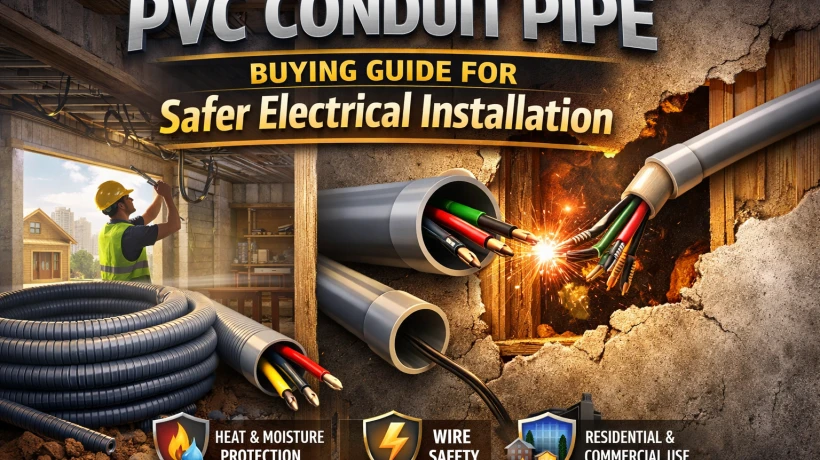
Prevent electrical failures with the right PVC Conduit Pipe. Learn how proper conduit selection protects wiring from heat, moisture, and damage, ensuring safe, long-lasting electrical installations for homes and commercial projects.
Most electrical failures don’t start with bad wiring. They start quietly, behind walls, inside ceilings, where unprotected cables rub, heat up, or absorb moisture over time. I’ve seen this firsthand on construction sites where everything looked fine on day one, then six months later breakers kept tripping for no obvious reason. When we opened the walls, the issue wasn’t the wire. It was the wrong PVC Conduit Pipe.
A PVC Conduit Pipe is not just a plastic tube hiding cables. It is the backbone of any safe electrical installation. It protects wiring from heat, moisture, physical damage, and long-term stress that slowly leads to electrical hazards. Choosing the right electrical PVC Conduit Pipe can be the difference between a system that lasts decades and one that keeps failing.
In this buying guide, I’ll walk you through how to choose the right conduit pipe for safer electrical installation, based on real-world use, building wiring standards, and practical experience across residential and commercial projects.
Why PVC Conduit Pipe Matters More Than People Think
In theory, any pipe that holds wires might seem fine. In practice, that thinking causes problems.
Electrical wiring protection is not optional anymore. Between higher electrical loads, concealed wiring systems, and tighter construction timelines, the stress on cables has increased. A proper wiring conduit pipe reduces the risk of short circuit prevention, supports electrical insulation, and keeps wiring intact even when walls shift or temperatures rise.
I’ve worked on places in past where cheap, thin conduit cracked inside concrete. Once that happens, moisture resistance is gone, and corrosion resistance becomes irrelevant. That’s when electrical load safety is compromised.
A good electrical installation conduit does three things well:
-
Shields cables from physical impact
-
Resists heat, moisture, and corrosion
-
Maintains electrical compliance standards over time
If it can’t do all three, it’s not worth installing.
Types of Conduit Pipe for Electrical Installation
Not all conduit pipes behave the same. Choosing the wrong type for your situation is a common mistake.
-
PVC Conduit Pipe
The most widely used option for concealed wiring system in homes and offices. A PVC conduit pipe offers electrical insulation, moisture resistance, and easy installation. It works well for wall embedded conduit pipe setups and residential electrical safety.
-
Heavy Duty Conduit Pipe
Used in industrial zones, basements, and areas exposed to pressure or impact. A heavy duty conduit pipe provides better impact resistance and heat resistance, especially where underground electrical conduit is required.
-
Plastic Conduit Pipe
Often used interchangeably with PVC, but quality varies. Always check fire resistant conduit pipe ratings and thickness before choosing a plastic conduit pipe for buildings.
From my experience, the best conduit pipe for electrical wiring is the one that matches the environment, not just the budget.
How PVC Conduit Pipe Improves Electrical Safety
This is where conduit pipes quietly do their job.
A reliable electrical conduit system prevents cable abrasion, limits fire spread, and reduces exposure to environmental damage. In traffic-heavy cities and humid climates, moisture resistance and corrosion resistance matter more than people admit.
A properly installed electrical pipe for wiring:
-
Protects against voltage protection issues
-
Supports short circuit prevention
-
Maintains construction electrical safety
-
Extends wiring lifespan
When conduit fails, wiring follows. Always.
Choosing the Right PVC Conduit Pipe for Your Project
This is where buyers usually hesitate. Honestly, I get it. There are too many options.
Here’s what I look for when helping contractors choose a conduit pipe for electrical installation:
-
Application type – home wiring, commercial buildings, or industrial setups
-
Installation location – underground electrical conduit, walls, or exposed areas
-
Material strength – light vs heavy duty conduit pipe
-
Compliance – building wiring standards and electrical compliance standards
For residential work, conduit pipe for home wiring should balance flexibility and durability. For offices and malls, conduit pipe for commercial buildings must handle higher electrical load safety demands.
This is where manufacturers matter. Brands like Adamjee DuraBuilt have built a reputation for producing durable electrical conduit pipe that performs consistently across real construction conditions, not just lab tests.
Common Electrical Hazards Prevented by PVC Conduit Pipe
I’ve seen projects delayed for weeks because of issues that proper conduit selection could have avoided.
A quality conduit pipe used in construction projects helps prevent:
-
Cable damage from shifting concrete
-
Moisture-related insulation failure
-
Fire spread due to exposed wiring
-
Costly rewiring during renovations
In long-term use, long lasting conduit pipe solutions reduce maintenance calls and protect building owners from repeated repairs.
PVC vs Heavy-Duty PVC Conduit Pipe Comparison
Choosing between PVC conduit pipe and heavy-duty conduit pipe depends on the project. Here’s a quick comparison:
-
PVC Conduit Pipe
-
Lightweight and easy to install
-
Ideal for residential wiring and concealed wiring systems
-
Provides good electrical insulation and moisture resistance
-
Heavy-Duty Conduit Pipe
-
Built for tougher conditions like industrial zones or underground electrical conduit
-
Offers higher impact and heat resistance
-
Ensures long-term durability under stress
For most homes and offices, PVC is sufficient. For commercial or high-risk areas, heavy-duty conduit pipe is the smarter choice. Choosing correctly from the start avoids future repairs and maintenance headaches.
Conclusion
Choosing the right conduit pipe is not a minor decision. It directly affects electrical safety, system reliability, and long-term performance. The right electrical conduit pipe protects wiring, maintains compliance, and prevents hidden failures that surface later as costly problems.
Whether you’re deciding which conduit pipe is best for electrical installation, comparing PVC vs. heavy options, or planning concealed wiring, the goal is the same: fewer failures, safer buildings, and less rework. For surface-mounted wiring or organized cable management in panels, integrating a durable PVC Duct Channel (commonly known as channel patti) is an essential step to ensure your cables are neatly housed and protected from external damage.
If you’re sourcing a high-quality conduit pipe or a versatile PVC Duct Channel for residential or commercial use, work with a reliable conduit pipe manufacturer that understands local construction realities. That’s how safer electrical installation actually happens.
FAQs
What is a conduit pipe used for?
A conduit pipe is used for electrical wiring protection, shielding cables from physical damage, moisture, heat, and corrosion.
Which conduit pipe is best for home wiring?
PVC conduit pipe is commonly used for home wiring due to its insulation properties, flexibility, and moisture resistance.
Is PVC conduit pipe safe for electrical wiring?
Yes, when manufactured to proper standards, PVC conduit pipe is safe and widely used for concealed wiring systems.
What size conduit pipe is used for house wiring?
Sizes depend on cable load and quantity, but common residential installations use medium-diameter electrical conduit pipes.
Why is conduit pipe necessary for wiring?
Conduit pipe improves electrical safety by preventing short circuits, protecting insulation, and supporting long-term wiring durability.



Comments
Login to Comment