Laser vs Chemical Peels for Hyperpigmentation: Which Is Better?
02 Mar, 2026
6094 Views 0 Like(s)
Hyperpigmentation is one of those skin concerns that looks simple on the surface and turns out to be layered once you start treating it. Sun exposure, melasma, acne marks and hormonal changes can all leave behind uneven patches that refuse to fade on their own.
Hyperpigmentation is one of those skin concerns that looks simple on the surface and turns out to be layered once you start treating it. Sun exposure, melasma, acne marks and hormonal changes can all leave behind uneven patches that refuse to fade on their own.
In a city like Mumbai, where heat, humidity and daily sun exposure are part of everyday life, these concerns tend to show up more easily and linger longer. When people start exploring professional care, the conversation often comes down to lasers versus chemical peels. The honest answer is that there is no single winner. The right option depends on your skin, the depth of pigmentation and how your skin responds to treatment.
Understanding Hyperpigmentation
Hyperpigmentation occurs when melanin production increases in certain areas of the skin. This may appear as melasma, sun spots, freckles, acne marks or uneven patches. Triggers range from sun exposure and hormonal shifts to inflammation and lifestyle factors.
Anyone exploring hyperpigmentation treatment in Mumbai should begin with a proper skin analysis. Pigmentation sits at different depths. Treating surface spots requires a different approach compared to deeper, hormone-driven melasma. Without identifying the type correctly, results may be inconsistent.
Preparing the Skin: The Role of Cosmelan
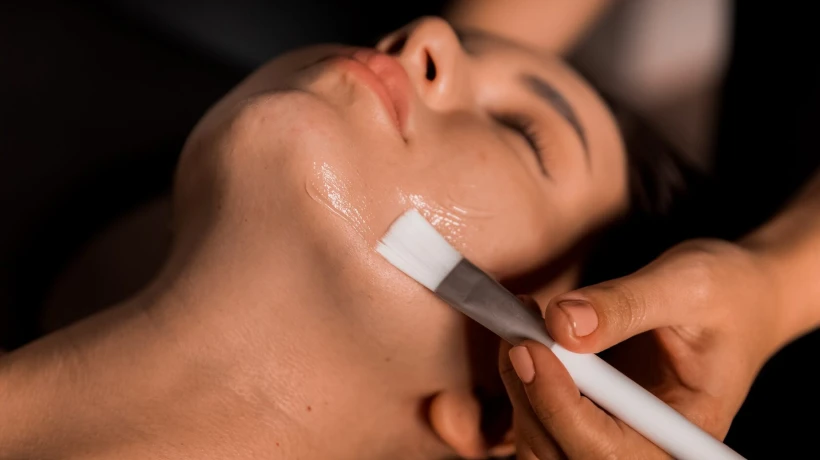
In many advanced protocols, treatment begins with preparation. A non-inflammatory, salicylic acid-based mask called Cosmelan is often used as a starting step. This mask is applied in a clinic and works gradually over two weeks, during which the skin peels in a controlled way.
Cosmelan targets pigmentation, smooths skin texture and prepares cells for further procedures. It also inhibits tyrosinase, an enzyme involved in melanin formation. Slowing down melanin production at the source helps reduce the risk of pigmentation returning strongly after treatment.
Preparing the skin first allows both lasers and peels to work more effectively and safely.
Laser Treatments for Pigmentation
Laser technology uses focused light energy to break down excess melanin within the skin. The fragmented pigment is then naturally cleared by the body over time.
For individuals considering hyperpigmentation laser treatment in Mumbai, lasers are often suitable for deeper pigmentation and stubborn patches. The precision allows specialists to target specific areas while protecting surrounding skin.
IPL Therapy
Intense Pulsed Light (IPL) therapy is commonly discussed alongside lasers. It uses a broad spectrum of light to target melanin-producing cells. IPL can also address redness and broken capillaries.
It is less invasive compared to traditional laser procedures and usually involves shorter downtime. Multiple sessions may be needed to achieve visible improvement, especially in cases of moderate pigmentation.
After laser sessions, some treatment plans include in-clinic microneedling and carefully selected chemical peels. This combined approach may help reduce the risk of rebound hyperpigmentation and support smoother healing.
Chemical Peels for Pigmentation
Chemical peels improve pigmentation by exfoliating controlled layers of the skin. As the outer damaged layers shed, fresh and more evenly toned skin becomes visible. For people seeking skin hyperpigmentation treatment in Mumbai, Skinwood Luxury Aesthetic Centre can be one of the places to consider, as they tend to focus on understanding the skin first and then choosing a peel that suits the pigmentation pattern and sensitivity.
Superficial Peels
These mild peels use alpha hydroxy acids to gently remove the outermost layer of skin. They help improve mild discolouration and rough texture. Downtime is minimal, and treatments can be repeated in a series.
Medium Peels
Medium peels use glycolic acid or trichloroacetic acid to reach slightly deeper layers. They are helpful for freckles, sun damage, acne scars and uneven tone. Recovery is slightly longer compared to superficial peels, but results are more noticeable.
Deep Peels
Deep chemical peels use stronger formulations such as trichloroacetic acid or phenol. They remove damaged layers that dull the complexion and can significantly improve deeper pigmentation, scarring and wrinkles. These require careful supervision and planned recovery time.
So, Which One Is Better?
There is no single answer.
Laser treatments can be ideal for deeper or resistant pigmentation. Chemical peels can work very well for surface-level concerns and overall tone correction. In many cases, combining both in a structured plan delivers balanced and longer-lasting improvement.
Skin type plays a major role in this decision. Indian skin tones have a higher tendency for post-inflammatory pigmentation, so treatment intensity must be chosen carefully. Hormonal melasma behaves differently from sun spots, and acne marks respond differently compared to age-related pigmentation.
That is why personalised assessment is essential. Clinics that offer both technologies allow flexibility in designing a treatment path. For instance, centres such as Skinwood Luxury Aesthetic Centre provide both advanced laser procedures and customised chemical peel options, giving patients access to a broader range of solutions based on their skin’s needs.
Choosing the right path for your skin
Hyperpigmentation requires patience, consistency and expert guidance. The goal is steady correction while keeping the skin calm and supported. At centres like Skinwood, the focus stays on understanding skin behaviour, adjusting treatments as needed and avoiding unnecessary stress on pigment-prone skin.
Laser and chemical peels both have a place in pigmentation care. When used thoughtfully, they complement each other rather than compete. The best results come from matching the treatment to the skin, not the trend.


Comments
Login to Comment