Is Dermaplaning Safe?
15 Apr, 2026
2099 Views 0 Like(s)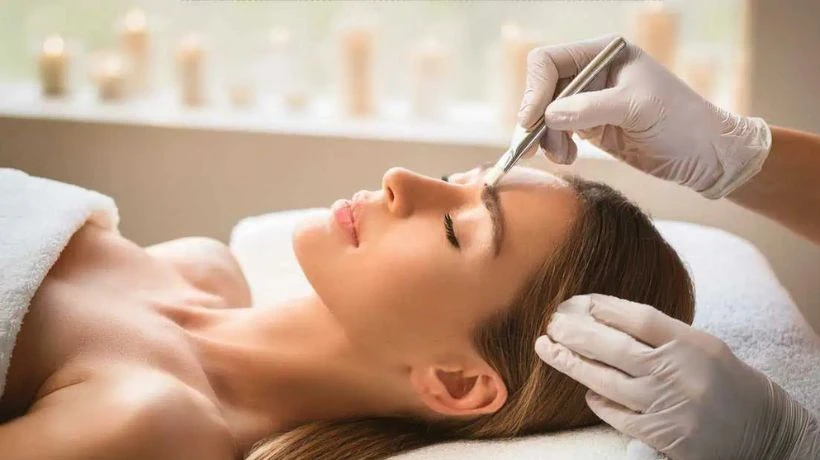
Dermaplaning is a safe, non-invasive exfoliation treatment that removes dead skin and fine facial hair, leaving the skin smoother and brighter. When performed by a trained professional, it offers effective results with minimal risk and no downtime.
Dermaplaning has gained popularity as a quick way to achieve smoother, brighter skin without downtime. But with any treatment that involves a blade, the question naturally comes up: is it actually safe?
The short answer is yes, dermaplaning is generally safe when performed correctly by a trained professional. The longer answer depends on factors like skin type, technique, and aftercare. In a results-driven environment like New York City, where treatments are often part of a regular routine, understanding the safety behind dermaplaning becomes even more important.
What Makes Dermaplaning Safe?
Dermaplaning is considered a non-invasive exfoliation treatment, which means it works only on the surface of the skin. A sterile, medical-grade blade is used to gently remove dead skin cells and fine facial hair.
Unlike procedures that penetrate deeper layers or use chemicals, dermaplaning:
- Does not involve heat or harsh substances
- Does not affect deeper skin structures
- Does not alter the hair follicle
Because it stays at the outermost layer, the risk level is relatively low when done properly.
The Importance of Professional Technique
Safety in dermaplaning is closely tied to how the treatment is performed. A trained professional understands how to control the angle, pressure, and movement of the blade.
Proper technique ensures:
- Only dead skin and fine hair are removed
- The skin is not cut or irritated
- The treatment remains even and controlled
When done incorrectly, however, issues like minor cuts, irritation, or uneven exfoliation can occur. This is why professional treatments are generally recommended over at-home attempts, especially for those new to dermaplaning.
Is Dermaplaning Safe for All Skin Types?
Dermaplaning works well for many people, but it is not ideal for every skin condition.
It is generally safe for:
- Normal to dry skin
- Mildly sensitive skin
- Individuals with dull or uneven texture
However, it may not be suitable for:
- Active acne or inflamed breakouts
- Extremely sensitive or reactive skin
- Certain skin conditions like rosacea (depending on severity)
The reason is simple. The blade can aggravate already inflamed skin, spreading bacteria or increasing irritation. A consultation helps determine whether dermaplaning is appropriate for your specific skin type.
Common Side Effects and What to Expect
When performed correctly, dermaplaning has minimal side effects. Most people experience only temporary changes immediately after treatment.
These can include:
- Mild redness
- Slight sensitivity
- A feeling of tightness or dryness
These effects usually fade within a few hours. Because the outer layer of dead skin has been removed, the skin may also be more sensitive to sunlight, which makes sunscreen an essential part of aftercare.
Does Dermaplaning Cause Hair to Grow Back Thicker?
This is one of the biggest myths around dermaplaning.
Dermaplaning does not change the structure of your hair. The fine hair removed during the treatment grows back at the same rate and texture as before. It may feel slightly different as it regrows, but it does not become thicker, darker, or more noticeable over time.
Hygiene and Safety Standards
Another key factor in dermaplaning safety is hygiene. Professional treatments use sterile, single-use blades and follow strict sanitation protocols.
This reduces the risk of:
- Infection
- Skin irritation
- Cross-contamination
In places like New York City, reputable clinics prioritize these standards to ensure both safety and consistent results.
At-Home Dermaplaning: Is It Safe?
At-home dermaplaning tools are widely available, but they come with more risk. Without proper training, it is easy to apply too much pressure, use the wrong angle, or over-exfoliate the skin.
While some people use at-home tools successfully, professional treatments are generally safer because they are performed with:
- Better-quality tools
- More precise technique
- A controlled environment
For those unsure, starting with a professional session can help set a safe baseline.
Long-Term Safety and Maintenance
Dermaplaning is safe to repeat as part of a skincare routine, typically every 3 to 4 weeks. This timing aligns with the skin’s natural renewal cycle.
When done consistently and correctly, it can:
- Improve overall skin texture
- Maintain a smoother surface
- Enhance the effectiveness of skincare products
However, overdoing it or combining it with harsh treatments too frequently can lead to irritation, so balance is key.
Final Thoughts
Dermaplaning is a safe and effective treatment when performed with the right technique, tools, and timing. It offers immediate results with minimal risk, which is why it has become a popular choice for skin maintenance.
Like most skincare treatments, safety depends less on the procedure itself and more on how it is performed and whether it is suited to your skin. With proper care and professional guidance, dermaplaning can be a reliable way to maintain smooth, healthy-looking skin without complications.



Comments
Login to Comment