Is Dermapen Microneedling Good for Large Facial Pores
12 Aug, 2026
647 Views 0 Like(s)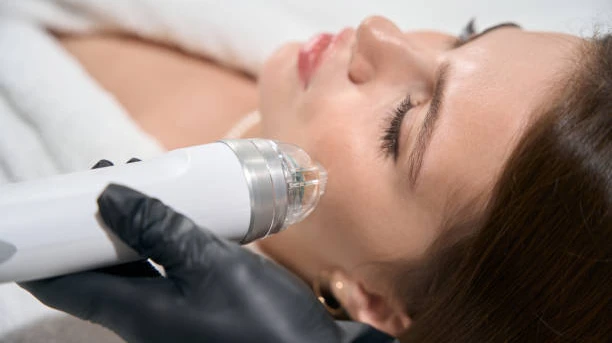
Dermapen microneedling can help reduce the appearance of large facial pores, smooth uneven texture, and promote firmer, healthier-looking skin.
Large facial pores can make the skin appear less smooth, particularly around the nose, cheeks, forehead, and other areas where oil production is more noticeable. Although pores are a natural part of healthy skin, their appearance can become more prominent because of sebum production, reduced skin elasticity, aging, and changes in the collagen surrounding the pore openings. Dermapen Microneedling in Abu Dhabi is an option people may consider when they want to improve the appearance of enlarged pores and achieve a smoother-looking complexion. Microneedling works by creating precise microchannels that encourage the skin's natural collagen and elastin response, making it particularly relevant to concerns involving texture and pore visibility.
Understanding Why Facial Pores Look Large
Pores are openings associated with hair follicles and sebaceous glands, and their size varies naturally from person to person. Genetics plays an important role, but oil production and the gradual loss of collagen and elasticity can also make pores appear more prominent. When the skin around a pore loses firmness, the opening may look wider or more noticeable.
This means that large pores are not simply a surface problem. While cleansing can remove material from the skin and temporarily make pores look more refined, structural factors also influence their appearance. Professional treatments that support collagen remodeling therefore take a different approach by improving the skin surrounding the pore rather than attempting to eliminate the pore itself.
How Dermapen Microneedling Works
Dermapen microneedling uses a precision device containing very fine needles to create controlled microchannels in the skin. These microscopic channels stimulate the body's natural repair process, encouraging the production and remodeling of collagen and elastin. These structural proteins help support firmness, smoothness, and overall skin texture.
For enlarged pores, this collagen-induction process is particularly relevant because stronger and more uniform skin structure around the pore can make the openings appear less prominent. The objective is therefore not to physically close or permanently shrink pores, but to improve the surrounding tissue so the overall complexion looks smoother and more refined.
Can Dermapen Microneedling Reduce the Appearance of Large Pores?
Yes, Dermapen microneedling may help reduce the visible appearance of large facial pores. Microneedling is recognized among professional treatments used to address enlarged pores, along with concerns such as acne scars, uneven texture, and fine lines.
The distinction between reducing pore size and reducing pore visibility is important. Pores are permanent anatomical structures, so no treatment should be expected to make them disappear completely. Instead, the aim is to make them look smaller by improving skin firmness and texture.
Research into microneedling-based approaches for enlarged pores has reported improvements in pore appearance and overall skin texture. While results can differ according to the technique and individual skin characteristics, these findings support the role of collagen stimulation in pore refinement.
Why Collagen Matters for Pore Appearance
Collagen provides structural support within the skin. As collagen becomes less abundant or more disorganized, the skin can gradually lose some of its firmness. This process can make facial pores appear larger, particularly in areas where oil production is naturally higher.
Dermapen microneedling is designed to encourage collagen remodeling through controlled stimulation. As the skin undergoes this gradual remodeling process, its texture may become more uniform and its surface may appear smoother.
This is one reason microneedling can be particularly appealing for people whose enlarged pores occur alongside rough texture, fine lines, mild laxity, or acne-related skin changes. Rather than focusing on the pore opening alone, the treatment addresses the surrounding skin structure.
Dermapen Microneedling for Pores and Uneven Texture
Large pores rarely occur completely on their own. They can be accompanied by roughness, acne scars, uneven skin texture, or an overall lack of smoothness. Addressing these concerns together can create a more noticeable improvement in the appearance of the complexion.
Microneedling stimulates collagen production throughout the treated area, which can support improvements in overall texture as well as pore visibility. The American Academy of Dermatology lists large pores and uneven skin texture among the cosmetic concerns for which microneedling may be used.
For this reason, Dermapen treatment may be especially appealing when the goal is not merely to make pores look smaller but to achieve a more polished and balanced-looking skin surface.
Is Dermapen Microneedling Suitable for Oily Skin and Large Pores?
Oily skin can make pores appear more noticeable because increased sebum production may emphasize the openings. People with oily or combination skin therefore frequently focus on pore refinement when considering professional skin treatments.
Dermapen microneedling does not function primarily as an oil-control procedure. Instead, its main mechanism involves collagen induction and skin remodeling. This means it can potentially improve the structural appearance of pores while the skin's natural oil production continues according to its individual characteristics.
When oily skin, visible pores, and uneven texture occur together, a professional assessment can help determine whether microneedling is an appropriate option. Treatment parameters can then be selected according to the person's skin condition and cosmetic objectives.
What Results Can You Expect?
Dermapen microneedling produces gradual rather than instant changes. Collagen remodeling takes time, so improvements in pore visibility and skin texture typically develop progressively as the skin's renewal process continues.
The extent of improvement varies between individuals. Factors such as age, skin type, collagen levels, pore prominence, oil production, previous acne, and overall skin texture can influence the final appearance.
It is also important to maintain realistic expectations. Microneedling cannot permanently erase pores because pores are a normal part of skin anatomy. Instead, the desired outcome is a smoother, firmer, more even-looking complexion in which pores appear less pronounced.
How Treatment Customization Can Improve Pore Refinement
Every person's facial skin has different characteristics, so Dermapen microneedling should not be approached as a one-size-fits-all treatment. The areas with the most visible pores may require a different approach from areas where the skin is smoother or more delicate.
A professional assessment can consider pore visibility, skin texture, oil production, acne history, pigmentation characteristics, and the overall condition of the skin. This information helps establish whether microneedling is appropriate and how the treatment should be tailored.
Personalization is particularly important because the objective is controlled collagen stimulation rather than excessive treatment. A carefully selected approach can keep the focus on gradual texture refinement and natural-looking improvement.
Can Dermapen Microneedling Permanently Shrink Pores?
Dermapen microneedling should not be described as a method for permanently shrinking pores. Pore size is influenced by genetics and the underlying structure of the skin, so the realistic objective is to reduce their visual prominence.
By supporting collagen production and improving skin texture, microneedling may make enlarged pores appear tighter and less noticeable. The effect is therefore best understood as an improvement in appearance rather than a permanent change to the anatomy of the pores.
This distinction helps set realistic expectations and explains why pore-refining treatments are generally focused on improving the quality, firmness, and smoothness of the surrounding skin.
Is Dermapen Microneedling a Good Choice for Large Facial Pores?
Dermapen microneedling can be a useful option for people who want to improve the appearance of enlarged facial pores, especially when pore visibility is accompanied by uneven texture or reduced skin firmness. Its collagen-stimulating mechanism directly addresses some of the structural factors that can make pores look more prominent.
The treatment is not intended to erase pores or permanently change their natural size. Instead, it aims to create a smoother-looking skin surface by supporting collagen remodeling around the pore openings.
For anyone considering Dermapen microneedling, an individualized professional assessment is important. Understanding why the pores appear enlarged and identifying the person's broader skin goals can help determine whether microneedling is an appropriate approach.
FAQs
Is Dermapen microneedling good for large facial pores?
Yes. Dermapen microneedling can help reduce the appearance of enlarged facial pores by stimulating collagen production and improving the surrounding skin texture. It is particularly relevant when visible pores occur alongside uneven texture or reduced firmness.
Can Dermapen microneedling permanently shrink pores?
No. Pores are natural anatomical structures and cannot be permanently eliminated. Dermapen microneedling aims to make them appear less noticeable by supporting collagen remodeling and improving skin smoothness.
How does microneedling make pores look smaller?
Microneedling creates controlled microchannels that stimulate collagen and elastin production. Improved structural support and smoother skin texture can make enlarged pores appear less prominent over time.
Is Dermapen suitable for oily skin with large pores?
It can be suitable for oily skin when the main concerns include enlarged-looking pores and uneven texture. Microneedling focuses primarily on collagen remodeling rather than directly reducing oil production, so treatment goals should be clearly defined.
How long does it take to see pore-refining results?
Pore refinement develops gradually because collagen remodeling takes time. Changes in texture and pore visibility can become more noticeable as the skin progresses through its natural renewal process, with individual results varying according to skin characteristics and treatment goals.

Comments
Login to Comment