IELTS Speaking 2026: Overview, Topics, Introduction Questions for IELTS & Answers
08 Jul, 2026
1040 Views 0 Like(s)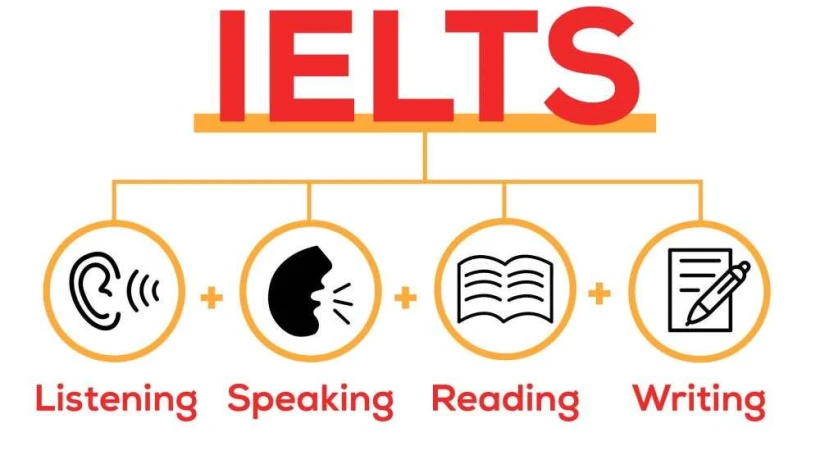
Master the IELTS Speaking 2026 test with an overview, common topics, introduction questions, sample answers, and expert tips to improve your IELTS score.
If you're preparing for the IELTS test, understanding the Speaking section is essential to achieving your target IELTS score. Whether you're taking the IELTS Academic or IELTS General exam, the speaking module follows the same format and assesses your ability to communicate effectively in English. Many students preparing for Singapore IELTS exams often find the Speaking section intimidating, but with the right preparation and regular IELTS speaking practice, you can perform with confidence.
In this guide, we'll explain the IELTS Speaking test format, common topics, introduction questions with sample answers, and practical tips to help you prepare for IELTS in 2026.
The Princeton Review Singapore provides an IELTS test course designed to help students strengthen their English communication skills and achieve their desired band scores.
What Is IELTS Speaking?
If you're wondering what is IELTS, it is an internationally recognized English language proficiency test accepted by universities, employers, and immigration authorities worldwide. The IELTS speaking test is one of four components of the IELTS exam, alongside:
- IELTS Listening
- IELTS Reading
- IELTS Writing
- IELTS Speaking
Unlike the other sections, the Speaking test is conducted as a face-to-face interview with a certified examiner. It lasts approximately 11–14 minutes and evaluates your ability to communicate naturally in English.
The Speaking section is the same for both the IELTS Academic test and IELTS General.
IELTS Speaking Test Format
The IELTS Speaking test consists of three parts.
Part 1: Introduction and Interview (4–5 Minutes)
The examiner asks questions about familiar topics such as:
- Your hometown
- Family
- Studies
- Work
- Hobbies
- Free time
- Daily routine
This section helps the examiner evaluate your ability to answer everyday questions naturally.
Example Questions
- Can you introduce yourself?
- Where are you from?
- What do you do?
- Why are you studying English?
- Do you enjoy reading books?
- How do you spend your weekends?
Part 2: Cue Card (3–4 Minutes)
In this section, you'll receive a cue card with a topic.
You'll have:
- 1 minute to prepare
- Up to 2 minutes to speak
Example topic:
Describe a memorable journey you have taken.
You should say:
- Where you went
- Who you travelled with
- What happened
- Why it was memorable
The examiner may ask one or two follow-up questions afterward.
Part 3: Discussion (4–5 Minutes)
This section involves a deeper discussion based on the Part 2 topic.
If your cue card was about travel, the examiner may ask:
- Why do people enjoy travelling?
- How has tourism changed over the years?
- Should governments promote domestic tourism?
This section evaluates your ability to express opinions, justify ideas, and discuss abstract topics.
Common IELTS Speaking Topics in 2026
While exact questions change, many themes appear regularly.
Popular IELTS Speaking topics include:
- Education
- Technology
- Environment
- Travel
- Health
- Family
- Work
- Hobbies
- Food
- Shopping
- Sports
- Books
- Music
- Festivals
- Culture
- Social Media
Practicing these topics can significantly improve your confidence before the IELTS exam.
IELTS Introduction Questions and Sample Answers
Here are some commonly asked introduction questions with sample responses.
1. Tell me about yourself.
Sample Answer:
"My name is David, and I'm currently working as a software engineer. I enjoy learning new technologies, reading books, and travelling whenever I have free time."
2. Where do you live?
Sample Answer:
"I live in Singapore. It's a modern city with excellent public transport, beautiful parks, and a multicultural environment that makes it an exciting place to live."
3. What do you do in your free time?
Sample Answer:
"In my free time, I enjoy watching documentaries, exercising, and spending time with my family. I also like reading business and technology articles."
4. Why are you taking the IELTS test?
Sample Answer:
"I'm planning to pursue higher education abroad, so I need a good IELTS score to meet my university's admission requirements."
5. Do you enjoy learning English?
Sample Answer:
"Yes. Learning English has helped me communicate with people from different countries and access educational resources more easily."
Tips to Improve Your IELTS Speaking Score
Practice Speaking Every Day
The best way to improve is through consistent IELTS speaking practice.
Speak English daily with:
- Friends
- Teachers
- Study partners
- Online language communities
Expand Your Vocabulary
Avoid repeating the same words.
Learn vocabulary related to:
- Education
- Travel
- Technology
- Environment
- Health
Using appropriate vocabulary naturally can improve your IELTS score.
Improve Fluency
Don't worry about speaking perfectly.
Instead:
- Speak continuously.
- Avoid long pauses.
- Explain your ideas with examples.
Fluency is more important than memorizing difficult words.
Work on Pronunciation
Clear pronunciation is essential.
Listen to:
- English podcasts
- TED Talks
- News broadcasts
Then repeat sentences aloud to improve rhythm and pronunciation.
Practice with Mock Interviews
Mock interviews simulate the real IELTS speaking test.
They help you:
- Reduce nervousness
- Improve confidence
- Receive expert feedback
- Identify weak areas
Preparing for the Complete IELTS Exam
Although Speaking is important, don't neglect the other sections of the IELTS exam.
Your preparation should include:
- IELTS Listening practice
- IELTS Reading exercises
- IELTS Writing Task 2 practice
- Vocabulary building
- Grammar revision
Using an official IELTS book and taking full-length IELTS practice tests will help you become familiar with the exam format.
If you're preparing through IELTS online courses, ensure they include mock speaking sessions, personalized feedback, and practice materials covering all four skills.
Why Professional IELTS Coaching Helps
Many students preparing for IELTS Singapore choose professional coaching to receive structured guidance.
An experienced instructor can help you:
- Improve fluency
- Build confidence
- Correct pronunciation
- Expand vocabulary
- Master IELTS Writing Task 2
- Improve IELTS Listening and Reading strategies
Professional coaching also provides regular assessments to monitor progress and improve your overall IELTS score.
The Princeton Review Singapore provides an IELTS test course with expert trainers, comprehensive study materials, mock interviews, and personalized feedback to help students succeed in both the IELTS Academic and IELTS General exams.
Final Thoughts
Success in the IELTS Speaking test comes from consistent practice, confidence, and effective communication rather than memorizing answers. Understanding the test format, practicing common topics, and improving your vocabulary and pronunciation can significantly boost your performance.
Whether you're preparing for the IELTS Academic test or IELTS General, remember to devote equal attention to IELTS Listening, IELTS Reading, IELTS Writing, and IELTS Speaking practice. A balanced preparation strategy will improve your confidence and help you achieve your desired IELTS score.
With dedication, regular practice, and expert guidance, you'll be well-prepared to perform your best on test day.
Frequently Asked Questions (FAQs)
1. What is the IELTS Speaking test?
The IELTS Speaking test is a face-to-face interview that evaluates your fluency, pronunciation, grammar, vocabulary, and ability to communicate effectively in English.
2. Is the Speaking test the same for IELTS Academic and IELTS General?
Yes. The IELTS Speaking section is identical for both the IELTS Academic and IELTS General exams.
3. How long is the IELTS Speaking test?
The test lasts approximately 11 to 14 minutes and consists of three parts: Introduction, Cue Card, and Discussion.
4. How can I improve my IELTS Speaking score?
Practice speaking English daily, expand your vocabulary, take mock interviews, improve your pronunciation, and practice answering common IELTS Speaking topics.
5. Can I prepare for IELTS online?
Yes. Many students successfully prepare through IELTS online courses that offer live classes, recorded lessons, mock tests, and expert feedback.
6. What is a good IELTS score?
A good IELTS score depends on your goals. Most universities require an overall band score between 6.5 and 7.5, while some competitive programs may ask for higher scores.
Comments
Login to Comment