How Your Health Care Needs Change After 70
22 Apr, 2026
1987 Views 0 Like(s)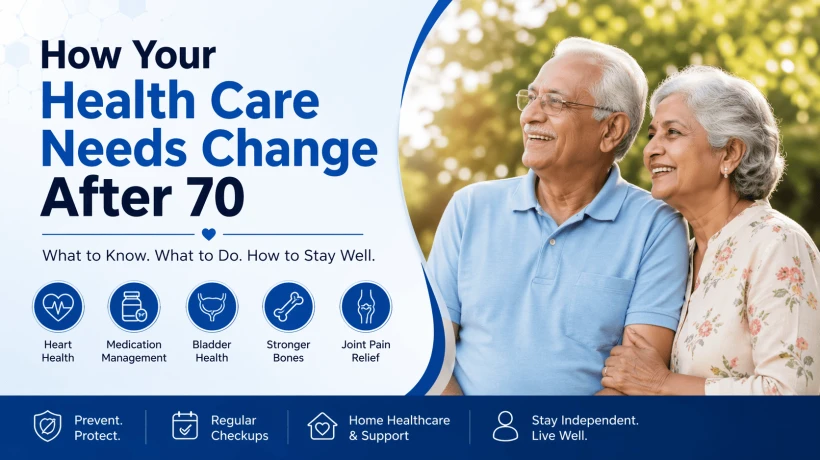
Health care needs often change after 70, but growing older does not mean giving up independence or quality of life. The right approach includes prevention, regular checkups, safe movement, good nutrition, and early treatment of problems. Support systems like home healthcare and home care services can also make life safer and easier at home.
Turning 70 often brings new health priorities. Many people stay active and independent for years, but the body changes with age. Heart health, bone strength, joint comfort, bladder control, and medication safety usually need closer attention. Regular checkups, healthy habits, and the right support can help you stay well.
For many older adults, home healthcare and trusted home care services also become useful tools. They can help with recovery, medication reminders, mobility support, and daily routines while allowing people to stay at home longer.
This guide explains how health care needs often change after 70 and what steps can help.
How Does Health Care Change After 70?
After 70, health care often focuses more on prevention, mobility, medication review, chronic condition management, fall prevention, and maintaining independence. Regular screenings, exercise, nutrition, and support at home become more important.
Heart Changes
The heart and blood vessels naturally change with age. Arteries may become stiffer, and the heart may not pump as efficiently as before. This can raise the risk of:
-
High blood pressure
-
Heart disease
-
Irregular heartbeat
-
Stroke
-
Heart failure
What You Can Do
-
Check blood pressure regularly
-
Stay active with walking or light exercise
-
Limit salt and ultra-processed foods
-
Maintain a healthy weight
-
Stop smoking, if applicable
-
Keep diabetes and cholesterol under control
-
Attend yearly health checkups
When to Seek Care Quickly
Call a doctor right away for:
-
Chest pain
-
Shortness of breath
-
Sudden weakness
-
Fainting
-
Fast or irregular heartbeat
For seniors recovering from heart events, home healthcare can support monitoring and recovery at home.
Medication Management
Many adults over 70 take more than one prescription. This increases the chance of side effects, missed doses, or drug interactions.
Studies show medication errors are more common when people take multiple medicines daily. Regular review with a doctor or pharmacist helps reduce risk.
Best Practices
-
Keep an updated medication list
-
Use one pharmacy when possible
-
Ask if any medicine can be reduced or stopped
-
Use a pill organizer
-
Take medicines exactly as directed
-
Report dizziness, confusion, falls, or sleepiness
Helpful Support at Home
Home care services may assist with reminders, organizing routines, and noticing side effects early.
Incontinence
Bladder leakage becomes more common with age, but it should not be ignored. It may be linked to weak pelvic muscles, prostate issues, infection, constipation, diabetes, or certain medicines.
What Helps
-
Scheduled bathroom trips
-
Pelvic floor exercises
-
Limiting caffeine if it worsens symptoms
-
Managing constipation
-
Treating infections quickly
-
Reviewing medications with a doctor
Important Note
Sudden incontinence, pain, blood in urine, or fever should be checked promptly.
Weaker Bones
Bone density often drops with age, especially after menopause in women, but men are also affected. This raises the risk of fractures from falls.
According to major health organizations, falls are one of the leading causes of injury in older adults.
How to Protect Bone Health
-
Get enough calcium and vitamin D
-
Do strength and balance exercises
-
Avoid smoking
-
Limit excess alcohol
-
Ask about bone density testing
-
Make the home safer by removing trip hazards
Home Safety Support
Home care services can help reduce fall risks by assisting with bathing, stairs, mobility, and household setup.
Joint Pain From Arthritis
Arthritis is common after 70. It may affect knees, hips, hands, shoulders, or spine. Symptoms include:
-
Pain
-
Stiffness
-
Swelling
-
Reduced movement
-
Trouble walking or gripping objects
Ways to Manage Arthritis
-
Stay gently active
-
Maintain a healthy weight
-
Use heat or cold packs
-
Try physical therapy
-
Use supportive shoes
-
Ask about pain treatment options
Movement is important. Resting too much can worsen stiffness.
Other Health Care Needs After 70
Health care after 70 often includes more than treating illness. It also focuses on quality of life and independence.
Vision and Hearing
Sight and hearing loss can affect safety, memory, and social life.
-
Get regular eye exams
-
Check hearing yearly if changes are noticed
-
Update glasses or hearing aids as needed
Brain Health
Memory changes can happen with age, but major confusion is not normal.
Protect brain health by:
-
Staying social
-
Sleeping well
-
Exercising
-
Managing blood pressure
-
Treating hearing loss
-
Challenging the mind
Vaccines
Older adults may benefit from vaccines such as:
-
Flu shot
-
COVID boosters when recommended
-
Pneumonia vaccine
-
Shingles vaccine
Ask your doctor what fits your needs.
Nutrition
Appetite may decrease with age. Focus on:
-
Protein-rich meals
-
Fruits and vegetables
-
Whole grains
-
Hydration
-
Calcium-rich foods
Mobility and Daily Living
If daily tasks become harder, home healthcare may include nursing care, therapy, or recovery support. Home care services may help with bathing, dressing, meals, and transportation.
When to Consider Home Healthcare
You may benefit from home healthcare if you or a loved one has:
-
Recent surgery or hospitalization
-
Trouble walking safely
-
Multiple chronic conditions
-
Need for wound care or therapy
-
Frequent falls
-
Trouble managing medications
This support can help people recover safely while staying at home.
Frequently Asked Questions
What health screenings are important after 70?
Common screenings may include blood pressure, cholesterol, diabetes checks, vision exams, hearing tests, bone density scans, and cancer screenings based on personal risk and doctor advice.
How often should seniors review medications?
At least once a year, or whenever a new medicine is added, symptoms change, or side effects appear.
Is tiredness normal after 70?
Some slowing down can happen, but ongoing fatigue may signal anemia, heart disease, sleep issues, depression, or medication problems. It should be evaluated.
Can exercise still help after 70?
Yes. Regular movement improves balance, heart health, mood, strength, and joint function. Even light walking helps.
When should families look into home care services?
When daily tasks, safety, memory, mobility, or medication routines become difficult, home care services may help maintain independence.
Conclusion
Health care needs often change after 70, but growing older does not mean giving up independence or quality of life. The right approach includes prevention, regular checkups, safe movement, good nutrition, and early treatment of problems. Support systems like home healthcare and home care services can also make life safer and easier at home.
With smart planning and ongoing care, many adults over 70 continue to live active, meaningful, and healthy lives.



Comments
Login to Comment