How Women's Hair Replacement in Dallas Has Moved Beyond the Wig
10 Jun, 2026
1369 Views 0 Like(s)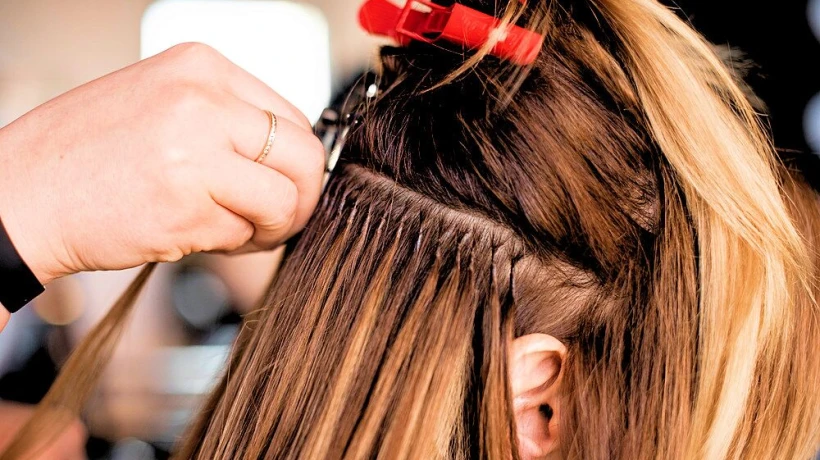
For most women, the phrase "hair replacement" still calls up an image of a wig.
For most women, the phrase "hair replacement" still calls up an image of a wig. A separate piece, sat on top, taken off at night, recognizable to anyone paying attention. That image has not been accurate for a long time. The modern reality of women’s hair replacement Dallas looks closer to a custom-built second layer of hair that lives with your own, not over it.
This shift matters because it changes who hair replacement is for. The older approach was reserved for advanced loss, often after every other route had been exhausted. The newer continuum has space for women in the middle of their journey, including those who are not ready to call what they are wearing a wig and may never need to.
The Mesh Integration Era
Mesh integration systems sit at the center of this change. The system uses a fine, breathable mesh foundation, custom-built to fit your head and the specific zones where coverage is needed. Your remaining natural hair is pulled through the mesh openings and sits among the added hair, so your own strands continue to grow, breathe, and contribute to the finished look.
Meshless integration takes the same principle in a different direction. The added hair is anchored without a mesh foundation, using techniques that work for guests whose remaining hair can support a lighter system. The result is similar: full coverage, breathable, with your own hair integrated rather than hidden.
Hair Toppers Without the Bulky Closure
Hair toppers belong on the same continuum, and the way they are built is one of the quietest dividing lines in the industry. Many salons rely on traditional closures at the base of a topper. The closures can read as bulky or obvious, especially at the part, and the fit often never quite settles into the head.
Newer approaches skip the traditional closure altogether. The construction is built around a more natural finish, better comfort for long wear, and a customized fit shaped to each guest's head and density pattern. The difference is most visible at the parting, where a topper without a traditional closure reads as a continuation of your own hair rather than as an attached piece.
Where Luxury Extensions Fit
The line between extensions and replacement is no longer as sharp as it once was. Luxury hair extensions in Dallas for women with noticeable thinning can serve a partial replacement role, especially when paired with a hair topper for crown coverage. The topper restores density at the part. The extensions add length and movement around it. Together, the two methods give a finished look that addresses thinning without committing to a full integration system.
This combination has become a favorite for guests in what stylists sometimes call the in-between stage. The thinning is real enough that extensions alone cannot blend convincingly, but full women’s hair replacement in Dallas is more than the situation calls for. A topper-and-extension pairing fills that gap, and many guests stay in this configuration for years.
What Modern Quality Looks Like
The hair itself has also moved forward. Ethically sourced human hair, color-matched in person rather than from a swatch chart, hand-tied at the base for movement, and cut wet and dry to settle into your natural face shape. These are the standards that separate a true specialty practice from a general extension appointment.
A modern system gets built for you. The foundation is measured to your head, not pulled from a stock size. The hair is matched to your natural color and texture, including any silver coming through. The cut happens in stages so the finished look reads as your own hair, not as a piece sitting on top of it.
Conclusion
The wig is no longer the only answer for women navigating hair loss. Mesh integration, meshless systems, hair toppers built without bulky closures, and luxury hair extensions Dallas paired with toppers all sit on the same continuum. The right point on that continuum depends on where your hair is now and what you want it to do next. The work of finding that point starts with a careful read of the scalp and an honest conversation about what you are willing to maintain.



Comments
Login to Comment