How to Plan a Functional Office Layout
13 Feb, 2026
7731 Views 0 Like(s)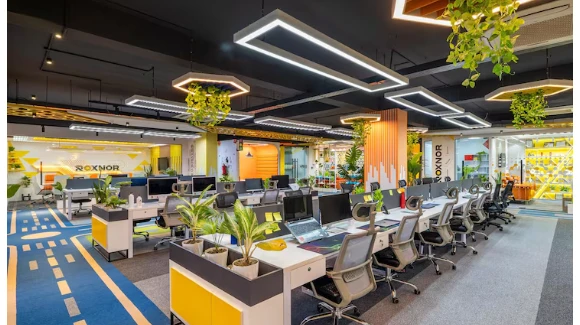
A well-planned office layout is essential for productivity, collaboration, and efficient space utilization. From understanding workflow patterns to choosing the right furniture and zoning areas for focused work and meetings, strategic planning ensures a balanced and functional workspace. This guide explains key steps to design an office layout that supports business growth and employee comfort.
A functional office layout is more than a visual arrangement of desks and walls. It is a strategic framework that shapes how people communicate, concentrate, collaborate, and perform daily tasks. When an office is thoughtfully planned, workflow becomes smoother, distractions are minimized, and employees feel more comfortable in their environment. Productivity is rarely accidental; it is often the result of deliberate spatial design that aligns with business goals and human behavior.
Planning begins with understanding how the organization actually works. Different teams require different levels of interaction, privacy, and mobility. A sales department thrives in an energetic, open setting that encourages fast communication, while finance or legal teams may need quieter zones that support focused work. A functional layout respects these differences and distributes space accordingly rather than forcing a single design philosophy across all departments.
Another key factor is circulation. People should be able to move naturally through the office without creating bottlenecks. Walkways must be intuitive, entrances should not disrupt work zones, and shared facilities should be accessible without excessive travel. When movement feels effortless, the office operates with less friction, and employees experience fewer interruptions throughout the day.
Structuring Space Around Work Patterns
The most successful office layouts are built around real behavioral patterns rather than aesthetic trends. Observing how teams interact reveals where collaboration hubs, private rooms, and shared resources should be placed. For example, departments that work closely together benefit from proximity, reducing the time spent walking between spaces and increasing spontaneous communication.
Zoning is a powerful planning tool. Instead of treating the office as one continuous environment, divide it into purposeful areas: focus zones, collaboration zones, social zones, and transitional zones. Each area should support a specific type of activity. Quiet areas require acoustic treatment and visual separation, while collaborative spaces can embrace openness and flexible furniture arrangements.
Furniture selection also influences functionality. Adjustable desks, modular seating, and movable partitions allow the layout to evolve as the company grows. A rigid layout becomes obsolete quickly, but a flexible system adapts to organizational changes without requiring expensive renovations. Lighting plays a parallel role. Natural light should be maximized wherever possible, as it improves mood and reduces fatigue. Artificial lighting should be layered to support both task work and ambient comfort.
In the middle of planning discussions, many teams explore how modern office designs balance openness with privacy. Completely open environments often lead to noise fatigue, while overly segmented spaces reduce collaboration. The ideal layout incorporates acoustic buffers, glass partitions, and hybrid workstations that maintain visual connection while preserving concentration.
Technology infrastructure must be integrated early in the planning process. Power access, network routing, and equipment placement influence where people can work effectively. A functional office anticipates device usage, charging needs, and digital collaboration tools rather than retrofitting them later. When technology flows seamlessly through the layout, productivity tools enhance work instead of interrupting it.
Human Comfort and Organizational Identity
A functional office is not only efficient; it is humane. Ergonomics should guide workstation dimensions, seating choices, and screen placement. Employees spend long hours at their desks, and discomfort quietly erodes performance over time. Proper chair support, desk height, and monitor alignment prevent fatigue and long-term health issues, making comfort a productivity strategy rather than a luxury.
Air quality and temperature control also shape the work experience. Poor ventilation leads to sluggishness and distraction. A well-planned office considers airflow, greenery, and environmental balance to maintain energy levels throughout the day. Biophilic elements such as plants, natural textures, and daylight connections contribute to psychological well-being, reinforcing a sense of calm within a professional environment.
Culture should be visible in the layout. The way space is organized communicates company values. Transparent meeting rooms signal openness, shared lounges encourage community, and creative breakout areas promote innovation. When employees feel that the space reflects their identity, engagement increases naturally.
Later in the design journey, businesses evaluating office interior design in Gurgaon often prioritize layouts that merge cultural expression with operational efficiency. A workspace should support both brand image and everyday workflow, ensuring that visitors experience the company’s personality while employees benefit from a practical environment.
Key principles that consistently support functional layouts include:
- Aligning space with real work behaviors
- Balancing collaboration with focused privacy
- Designing intuitive circulation paths
- Integrating adaptable furniture systems
- Prioritizing ergonomic and environmental comfort
These principles transform layout planning from decoration into strategy. They ensure that every square meter contributes to productivity, well-being, and organizational clarity.
Conclusion
A functional office layout is the result of planning that respects people, processes, and future growth. It is not defined by size or luxury but by how effectively it supports daily operations. When zoning, ergonomics, technology, and culture are aligned, the office becomes a tool that amplifies performance rather than a backdrop that merely contains it.
The most effective workplaces evolve alongside the organizations they serve. Flexibility, comfort, and thoughtful structure allow teams to adapt without losing cohesion. By treating layout as a living system instead of a static blueprint, businesses create environments that remain efficient, inspiring, and resilient for years to come.

Comments
Login to Comment