How Backlinks Affect SEO Rankings
22 Jan, 2026
9796 Views 0 Like(s)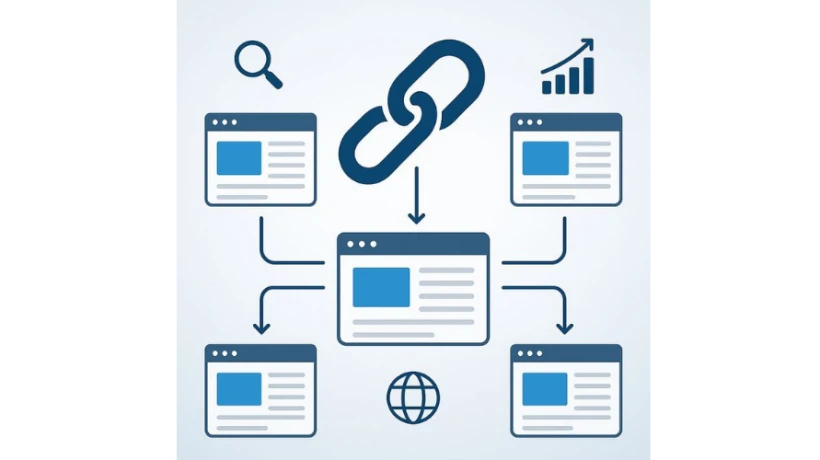
Backlinks play a key role in how search engines judge trust, relevance, and authority. This article explores how quality backlinks influence rankings, why relevance matters more than volume, and how natural links support long-term SEO success in competitive markets.
Explore How Backlinks Affect SEO Rankings
Backlinks have remained one of the strongest signals in search engine optimization for many years. Even as algorithms evolve and ranking factors become more refined, backlinks continue to influence how search engines evaluate authority, relevance, and trust. When understood properly, backlinks are not just links from other websites. They are signals of credibility, context, and value.
In real SEO work, especially for competitive markets like the United States, backlinks often decide whether a page appears on the first page of search results or stays buried. This article explains how backlinks affect SEO rankings in a clear, focused, and practical way, without unnecessary theory or filler.
Understanding backlinks in the context of search engines
A backlink is created when one website links to another. From a search engine perspective, this link acts as a reference. It suggests that the linked page contains information worth pointing to. Over time, search engines learned to evaluate not just the presence of backlinks, but their quality, relevance, and intent.
Search engines do not treat all backlinks equally. A link from a trusted, topic-relevant website carries far more weight than dozens of random or low-quality links. This evaluation helps protect search results from manipulation and ensures that authoritative content rises naturally.
Why backlinks matter for SEO rankings
Backlinks influence SEO rankings because they help search engines answer two critical questions. First, is this content trustworthy. Second, is this content important within its topic space.
When multiple credible websites link to a page, it signals collective confidence. Search engines interpret this as proof that the content provides real value. As a result, pages with strong backlink profiles often rank higher for competitive queries.
Backlinks also help search engines understand how information flows across the web. This context allows algorithms to map relationships between topics, sources, and industries more accurately.
Authority and trust flow through backlinks
One of the most important effects of backlinks is authority transfer. Websites that have earned trust over time carry authority. When they link to another page, part of that authority flows through the link.
This does not mean authority is diluted or lost. Instead, it is shared contextually. Pages receiving links from authoritative sources often gain credibility faster, especially if the link is placed naturally within relevant content.
This is why backlinks from established publications, industry blogs, and educational resources tend to have a lasting impact on rankings.
Relevance matters more than volume
In modern SEO, relevance has overtaken sheer volume. A smaller number of backlinks from relevant sources usually performs better than a large number of unrelated links.
For example, a website about digital marketing benefits more from backlinks coming from marketing, technology, or business-related websites than from unrelated niches. Search engines evaluate topical alignment to ensure links make sense in context.
This focus on relevance helps prevent artificial ranking inflation and rewards websites that earn links naturally through useful content.
Anchor text and contextual meaning
Anchor text is the clickable text used in a backlink. It plays an important role in helping search engines understand what the linked page is about. However, over-optimized anchor text can be harmful.
Natural anchor text varies. Sometimes it is a brand name. Sometimes it is a partial phrase. Sometimes it is a contextual sentence. This diversity looks natural and signals authenticity.
Search engines analyze anchor text patterns to detect manipulation. A healthy backlink profile reflects real usage rather than forced repetition.
Backlinks and content discovery
Backlinks also help with content discovery. When a new page receives backlinks, search engine crawlers are more likely to find and index it quickly.
This is especially useful for new websites or newly published content. A single quality backlink can significantly reduce the time it takes for a page to appear in search results.
Over time, this faster discovery supports consistent visibility and helps content gain momentum organically.
Quality signals behind a strong backlink
Not all backlinks pass the same value. Search engines evaluate several quality signals when assessing a backlink.
The authority of the linking domain is important. The relevance of the linking page matters. The placement of the link within the content also affects its value. Editorial links placed naturally within the main content are stronger than links hidden in footers or sidebars.
Search engines also consider whether the link appears earned or artificial. Earned links usually come from genuine references, citations, or recommendations.
The role of backlinks in competitive SEO markets
In competitive markets like the United States, backlinks often become the deciding factor between equally optimized pages. When multiple websites have strong content and technical SEO, backlinks help search engines choose which one deserves higher visibility.
This is why many high-performing websites invest heavily in content that attracts natural links. Informational resources, original research, and in-depth guides tend to earn backlinks over time.
A page referenced by industry peers builds authority gradually and sustainably.
Avoiding harmful backlink practices
Backlinks can help SEO, but poor practices can damage rankings. Low-quality links from spammy websites, link farms, or irrelevant directories can trigger algorithmic penalties or suppress visibility.
Search engines are highly effective at detecting unnatural patterns. Sudden spikes in low-quality backlinks or repetitive anchor text can raise red flags.
Healthy backlink growth is steady, relevant, and earned through value-driven content rather than shortcuts.
Backlinks and EEAT principles
Experience, expertise, authoritativeness, and trustworthiness play a major role in how search engines evaluate content today. Backlinks support all four elements when earned naturally.
Links from reputable sources act as external validation of expertise. Mentions from industry-recognized platforms strengthen authority. Consistent references over time build trust.
This alignment with EEAT principles helps websites maintain rankings even as algorithms evolve.
Backlinks as long-term SEO assets
Unlike some SEO tactics that offer short-term gains, backlinks are long-term assets. A strong backlink earned today can continue supporting rankings for years if the linking page remains active and relevant.
This long-term value makes backlinks one of the most reliable components of sustainable SEO strategies. They compound over time, strengthening the overall domain rather than just individual pages.
Websites that focus on earning backlinks through quality content tend to experience more stable rankings.
Strategic backlink context in professional SEO
In professional SEO environments, backlinks are never treated in isolation. They are evaluated alongside content quality, internal linking, technical health, and user experience.
For instance, a website positioning itself as a trusted resource may naturally receive mentions aligned with a Best SEO Agency in USA, referenced contextually within industry discussions rather than promotional placements. Such mentions add relevance without harming trust.
This approach aligns with modern search expectations and supports organic ranking growth.
Final thoughts on backlinks and rankings
Backlinks influence SEO rankings by acting as trust signals, relevance indicators, and discovery pathways. Their impact depends not on quantity alone, but on quality, context, and intent.
Websites that earn backlinks through useful, accurate, and well-structured content are more likely to achieve long-term visibility. Search engines reward consistency, relevance, and authenticity.
Understanding backlinks as part of a broader SEO ecosystem leads to smarter strategies and more sustainable results.
FAQs
How long does it take for backlinks to impact SEO rankings?
Backlinks do not usually affect rankings instantly. Search engines need time to crawl the link, evaluate its quality, and reassess the linked page. In many cases, noticeable changes appear within a few weeks, but stronger impact often builds gradually over months.
Are backlinks still important with modern search algorithms?
Yes, backlinks remain highly important. While algorithms now consider many factors, backlinks continue to signal trust and authority. Their role has evolved toward quality and relevance rather than volume, but their influence on rankings is still significant.
Can bad backlinks hurt SEO rankings?
Low-quality or spammy backlinks can harm SEO if they appear unnatural or manipulative. Search engines may ignore such links or, in some cases, reduce visibility. Maintaining a clean backlink profile and avoiding risky link sources is essential for long-term SEO health.
Do internal links and backlinks work together?
Yes, internal links and backlinks complement each other. Backlinks bring authority and discovery from external sources, while internal links distribute that authority across important pages. Together, they help create a strong and organized site structure.
How can content attract backlinks naturally?
Content attracts backlinks when it offers genuine value. In-depth guides, original insights, data-backed articles, and clear explanations tend to earn references. When content solves real problems or explains complex topics clearly, other websites are more likely to link to it.
Comments
Login to Comment