Hajj and Umrah With Family: Tips for Traveling With Parents, Spouse, and Children
26 May, 2026
1611 Views 0 Like(s)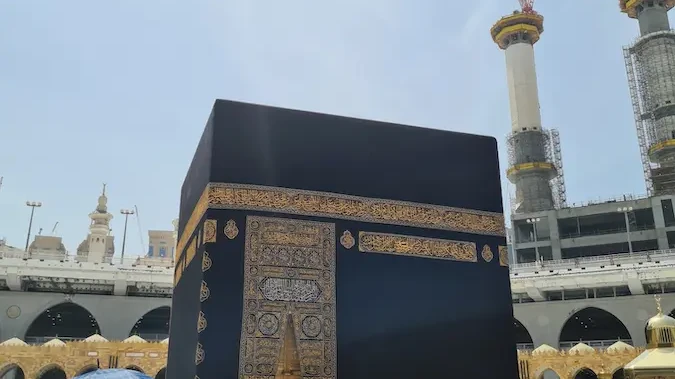
Hajj and Umrah are special journeys on their own, but performing them with family—parents, spouse, and children—adds another layer of blessing and responsibility.
Hajj and Umrah are special journeys on their own, but performing them with family—parents, spouse, and children—adds another layer of blessing and responsibility. Traveling together means balancing different ages, health levels, and expectations, while still keeping the main focus on worship. When you plan wisely, communicate clearly, and support one another, Hajj and Umrah with family can become one of the most beautiful shared memories of your life.
Setting the Right Intention as a Family
Every family journey for Hajj and Umrah must start with a shared intention. Take time at home to sit together and talk about why you are going: to earn Allah’s pleasure, seek forgiveness, and strengthen your deen. Explain to children, in simple words, that this is not a regular vacation but a sacred trip where masjids, duas, and good manners are more important than shopping or entertainment. When everyone understands the purpose, it becomes easier to stay patient, forgive small mistakes, and support one another throughout the journey.
Planning According to Each Family Member’s Needs
No two family members are the same, and your plan for Hajj and Umrah should reflect that. Parents or elderly relatives may need more rest, wheelchairs, or shorter walking distances, while younger adults may handle more physical tasks like managing luggage or guiding the group. Children may need flexible routines for sleep and food to avoid crankiness and exhaustion. Before traveling, discuss health issues, medication schedules, and personal limitations so you can create a realistic plan that respects everyone’s capacity. This thoughtful planning reduces stress and arguments once you arrive.
Choosing Family-Friendly Accommodation and Transport
Your choice of hotel and transport has a big impact on your experience of Hajj and Umrah with family. Staying closer to the Haram, even if the room is simpler, can be more practical when you are traveling with parents and children because it reduces walking time and fatigue. Try to choose accommodation where you can easily return for rest between prayers or rituals. For transport, opt for reliable options that keep the family together, especially during busy Hajj days. When your base is comfortable and accessible, the whole family can conserve energy for worship instead of tiring themselves just reaching the masjid.
Coordinating Prayer and Worship Schedules
With family, it is not always possible for everyone to be at the Haram for every prayer or stay long hours outside. Create a flexible schedule that allows each person to benefit according to their strength. For example, younger adults might attend more late-night prayers, while elders and children focus on Fajr, Maghrib, and Isha in the masjid and rest during the hottest hours. Communicate clearly about meeting points and timings so no one feels lost or left behind. This kind of coordination ensures that each family member enjoys Hajj and Umrah in a way that suits them best.
Guiding and Engaging Children During Hajj and Umrah
Taking children for Hajj and Umrah is a beautiful way to plant love for the Haramain in their hearts from a young age. Before traveling, teach them basic duas, stories about the Ka’bah, Zamzam, and Prophet Ibrahim’s family so they feel excited and connected. In Makkah and Madinah, give them simple responsibilities: holding a small dua list, counting rounds of tawaf with you, or reminding everyone to say “Bismillah” when drinking Zamzam. Be patient when they get tired or distracted; gently bring their focus back without harshness. For them, this journey is both worship and a living classroom of faith.
Caring for Elderly Parents With Respect and Patience
Performing Hajj and Umrah with parents is a great opportunity to earn Allah’s pleasure through khidmah (service). Walk at their pace instead of rushing ahead, and offer your arm or support in crowds and on stairs. Make sure they drink enough water, take their medicine on time, and have a comfortable place to rest between rituals. Choose tawaf and sa’i times when the crowds are a bit lighter if possible. When you serve your parents patiently, you are not just helping them complete Hajj and Umrah—you are also increasing your own reward and strengthening the bond of mercy within your family.
Maintaining Harmony Between Spouses
For married couples, Hajj and Umrah can either bring them closer or reveal areas where they need more patience and understanding. To make it a source of closeness, agree before the journey that you will avoid unnecessary arguments and overlook minor annoyances. Support each other emotionally when one feels tired or overwhelmed, and take turns handling responsibilities such as managing documents, money, or guiding the children. Encourage one another in worship, remind each other of duas to make, and share reflections after visiting the holy sites. This shared spiritual experience can deepen love and respect between spouses long after you return home.
Staying Safe Together in Crowds and Heat
Health and safety become even more important when performing Hajj and Umrah with family. Decide on a simple system to stay connected: for example, everyone carrying a card with hotel details, and older children memorizing a local contact number. Choose a clear meeting point near the Haram in case someone gets separated. Move calmly in crowds, keeping elders and children in the middle where they are more protected. Take breaks in shaded or air-conditioned areas, and make sure everyone drinks water regularly and eats on time. When the whole family moves with calmness and care, you reduce risk and preserve energy for ibadah.
Balancing Worship and Rest Without Guilt
Some family members may feel guilty resting in the hotel while others are praying in the Haram, but it is important to remember that Islam does not demand worship at the cost of harm. Encourage each other to rest when needed, especially parents, young children, and those who are not used to long walks. Remind yourselves that caring for family, helping them, and protecting their health are also acts of worship in the context of Hajj and Umrah. A balanced routine of salah, tawaf, ziyarat, rest, and family time leads to a calmer, more focused spiritual experience for everyone.
Creating Family Memories That Strengthen Faith
Beyond the rituals, Hajj and Umrah with family create powerful memories that stay in the heart for a lifetime. Taking a quiet moment together after tawaf, making dua as a family in front of the Ka’bah, or visiting Masjid an-Nabawi and sending salutations upon the Prophet together are experiences that shape your collective identity. Encourage each person to keep a small journal of their feelings and duas. After returning home, revisit these memories and discuss how each of you wants to change your life based on what you learned. In this way, the journey continues in your daily routine long after the trip ends.
Why Qibla Travels Is Ideal for Hajj and Umrah With Family
To make Hajj and Umrah with family truly smooth, you need a travel partner that understands the different needs of parents, spouses, and children. Qibla Travels designs its Hajj and Umrah packages with families in mind, offering thoughtfully chosen accommodations, practical schedules, and clear guidance that keeps everyone comfortable and informed. Their experienced team helps you with visa processing, flights, hotel arrangements near the Haramain, and reliable transport between key sites, reducing the stress that often falls on the head of the family. With on-ground support and responsive assistance, Qibla Travels allows your family to focus on worship, unity, and spiritual growth while they handle the logistics. When you choose Qibla Travels for your next Hajj and Umrah, you are choosing a trusted partner dedicated to making your family’s sacred journey organized, safe, and deeply memorable.



Comments
Login to Comment