Fire-Resistant Clothing Manufacturers: How to Choose Safety Without Compromise
25 Mar, 2026
4053 Views 0 Like(s)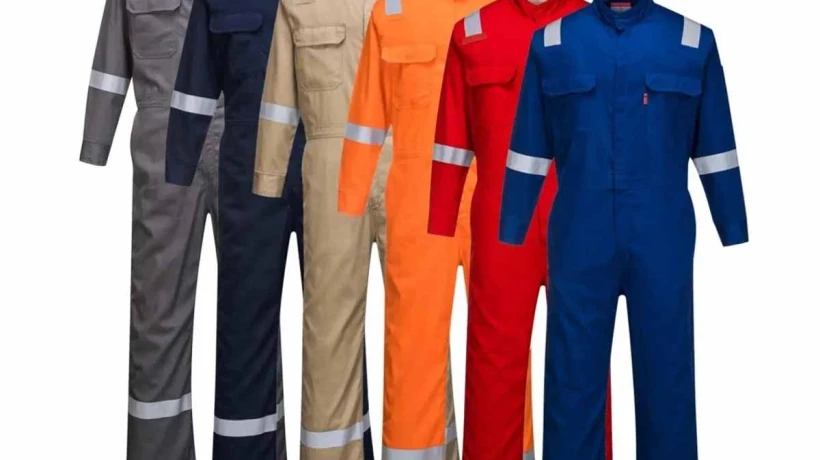
Working in an environment where a single stray spark can trigger a life-altering thermal event leaves your gear as the sole barrier between you and a hospital bed.
Working in an environment where a single stray spark can trigger a life-altering thermal event leaves your gear as the sole barrier between you and a hospital bed. In the high-stakes industrial world of 2026, the market is absolutely flooded with "FR" options, but finding Fire-Resistant Clothing Manufacturers like Retter Workwear who refuse to cut corners is getting harder.
This guide dives into the definition of a "fire-safe" garment and explains the process of selecting a reliable manufacturer to provide your crew with the most effective protection.
The "Treated" vs. "Inherent" Debate: Where the Compromise Usually Happens
Choosing between chemically treated fabrics and inherently flame-resistant (IFR) fibres presents the greatest challenge when selecting a manufacturer. This is exactly where most budget-driven compromises creep in.
- Treated Fabrics: These are usually standard cotton or poly-cotton blends that have been dipped in a flame-retardant chemical. Sure, they meet the basic safety standards on day one. But that protection can "wash out" over time or degrade if the laundry process isn’t perfect. You’re essentially wearing a countdown timer.
- Inherent Fibres: Think materials like Nomex, Kevlar, or specialised Modacrylic blends. The protection is baked into the DNA of the thread. No matter how many times you wash it, scrub it, or get it soaked in a monsoon downpour, it will never lose its ability to self-extinguish.
What a "No-Compromise" Manufacturer Actually Looks Like
If you’re the one responsible for a team’s safety, you have to look past the glossy sales pitch. A manufacturer that puts lives over a quick profit will always be transparent about their construction.
- Third-Party Lab Receipts
Don’t just take their word for it. A reputable manufacturer will hand over current test reports from independent labs like UL, Aitex, or BTTG.
- Thermal Shrinkage Resistance
A major cause of injury in a flash fire isn’t just the flame itself—it’s the fabric shrinking and pulling tight against the skin. This kills the "insulating air gap" and causes instant contact burns. High-quality manufacturers engineer their fabrics to keep their "loft" and shape even when the air hits 500°C.
- Hardware Integrity (The Small Stuff Matters)
A fire-resistant suit is only as good as its weakest seam. A "safety-first" manufacturer won't use plastic zippers or standard nylon thread. They use:
- Aramid Sewing Thread: So the seams don't pop open the moment things get hot.
- FR-Rated Zippers: Usually backed by fabric flaps to keep hot metal away from the skin.
- FR Reflective Tapes: Because regular high-vis tape can ignite and melt right into the garment.
The Human Side: Why Comfort is a Safety Feature
It might sound strange, but a comfortable suit is actually safer. Why? Because a worker who is harassed or feels restricted is a distraction.
The best innovation lately is "biomimetic" textiles. These fabrics act like human skin—opening up to let sweat escape when the body gets hot but snapping shut to maintain a barrier against external heat. When you’re vetting a supplier, ask about "Air Permeability." If the fabric lacks breathability, your workers may resort to unzipping their jackets or rolling up their sleeves for relief, potentially leaving them completely exposed if the situation worsens.
A Quick Vetting Checklist for Your Supplier
Before you sign a long-term contract, run through these five "insider" pointers:
- Wear-Test Samples: Will they let your team test the fit and breathability on-site for a week before you buy?
- Traceability: Can they track a specific coverall back to the batch of fabric it was cut from? This information is vital for any accident investigation.
- Laundering Guides: Do they give you clear, foolproof instructions on how to wash the gear to keep it safe?
- Climate Suitability: Is the fabric weight right for your location? A 350 GSM suit might be ideal for a North Indian winter, but it’s a death trap in a humid Mumbai summer.
- Customization: Can they add reinforced knees or tool loops without ruining the FR rating of the garment?
The Reality of the Price Tag
We all have budgets to meet, but with fire safety, the "cheap" option is almost always the most expensive one in the long term. A budget suit that shrinks or wears out after 20 washes has to be replaced three times as often as a premium, engineered suit.
Making the Right Call
Choosing a manufacturer is about finding a partner who understands that their work literally saves lives. By sticking to the inherent fibers and demanding rigorous third-party testing, you can ensure your team isn't just "compliant" but truly protected. Don’t let a procurement spreadsheet dictate the safety of your crew—choose quality, choose transparency, and never compromise.
Comments
Login to Comment