Double Process Color: Why Some Hair Transformations Need Two Steps
06 Oct, 2026
34 Views 0 Like(s)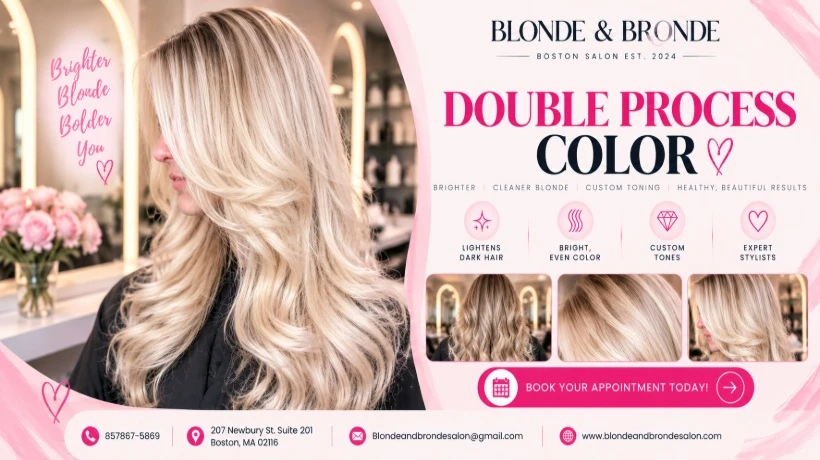
Learn how double process color works, when two-step hair coloring is needed, and how to protect your hair while achieving brighter, more even results.
Have you ever wondered why some dramatic hair color changes cannot be completed with one simple appointment step? A double process color uses two separate coloring or lightening stages to create a specific result, especially when the goal involves going significantly lighter, changing the underlying tone, or creating a more even color.
Unlike a single-process service, double process hair color gives a stylist more control over how the hair is lightened and toned. This approach can be especially useful when moving from a darker starting shade toward a bright blonde, platinum, or another high-impact color.
Understanding how the process works can help you choose the right service, set realistic expectations, and keep your hair looking healthy after the appointment.
What Is Double Process Color?
A double process color is a professional hair-coloring technique that involves two distinct chemical processes during one overall color transformation.
The first step typically involves lightening the hair to remove or reduce its natural or artificial pigment. Once the desired level of lightness is reached, the stylist applies a second color, toner, or gloss to refine the final shade.
The exact process depends on your starting color, hair history, condition, and desired result. A professional stylist should evaluate these factors before deciding whether a double process is appropriate.
Why Does Hair Need Two Steps?
Hair contains natural underlying pigments. When dark hair is lightened, those pigments become exposed and can appear red, orange, or yellow before the final tone is created.
The first stage addresses lightness, while the second stage helps address tone and color direction.
For example, a client may need to be lifted to a lighter level before a cool blonde shade can be achieved. Trying to create the final shade in one step may not provide enough control over the underlying pigment.
When Is Double Process Hair Color Used?
Not every color transformation requires two processes. However, certain goals may benefit from this technique.
A stylist may consider double process hair color when a client wants:
-
A significant transition from dark hair to blonde
-
A very light or platinum-inspired result
-
More control over unwanted warm tones
-
A dramatic color change
-
A customized blonde shade
-
A result that cannot realistically be achieved with one color application
The starting point matters just as much as the desired shade. Virgin hair, previously colored hair, highlighted hair, and chemically treated hair can all respond differently to lightening.
Double Process Color vs. Single Process Color
The biggest difference is the number and purpose of the coloring stages.
Single-process color generally uses one primary color application to change the hair's shade or tone. It can be ideal for refreshing an existing color, covering gray, darkening hair, or making certain controlled color changes.
A double process color separates the transformation into stages. The hair may first be lightened and then toned or colored to create the desired final appearance.
This additional control can be valuable for complex transformations, but it may also require more time and careful evaluation.
What Happens During a Double Process Appointment?
While every salon may customize its approach, the appointment often follows a similar sequence.
1. Hair Consultation
The stylist begins by discussing your desired result, previous color services, maintenance preferences, and hair condition.
This consultation is important because previous color can affect how the hair responds. Artificial pigment may require a different strategy than natural pigment.
2. First Process: Lightening
The stylist carefully lightens the hair toward the target level. This is where professional technique matters most.
The goal is not simply to make the hair lighter as quickly as possible. The stylist must balance the desired lift with the condition and integrity of the hair.
3. Hair Assessment
Once the first stage is complete, the stylist evaluates the resulting level and underlying tone.
This allows them to determine the most suitable second-step formula rather than relying on a one-size-fits-all approach.
4. Second Process: Toning or Coloring
The second step refines the result. Depending on the goal, this may involve a toner, gloss, or another color formula.
This stage can help create a warmer, cooler, brighter, softer, or more neutral finish.
5. Final Styling and Aftercare Advice
After the color is complete, the stylist typically recommends products and habits that support the new color and help maintain hair quality.
How Long Does Double Process Color Take?
A double-process appointment can take considerably longer than a basic color service.
Timing depends on several factors, including:
-
Starting hair color
-
Hair length and density
-
Previous chemical treatments
-
Desired level of lightness
-
Hair condition
-
Amount of correction required
-
Final color and toning needs
If you are planning a major transformation, allow extra time rather than scheduling the appointment around a tight deadline.
How to Prepare for Double Process Color
Good preparation can make your appointment more successful.
Avoid Major Color Changes Right Before Your Appointment
Give your stylist an accurate picture of your current hair. Recent at-home coloring can make professional color correction more complicated.
Bring Inspiration Photos
Photos help communicate the type of blonde, brightness, and overall finish you want. Keep in mind that the same color can look different depending on natural hair, lighting, and previous color history.
Be Honest About Your Hair History
Tell your stylist about previous permanent color, bleach, highlights, box dye, keratin treatments, and other chemical services.
Even an older color service can influence how your hair responds.
Common Mistakes to Avoid
A dramatic color transformation requires patience. Avoid these common mistakes:
Trying to achieve the result too quickly:
Pushing hair beyond what it can safely handle may compromise its condition.
Using box color before the appointment:
Unexpected pigment can make professional lightening more difficult.
Ignoring maintenance:
Brighter blondes often need regular toning, color refreshes, and appropriate home care.
Skipping the consultation:
A detailed consultation helps your stylist understand your goal and create a realistic plan.
Choosing a color based only on a photo:
Your natural color, skin tone, hair history, and hair condition all affect the final result.
How to Maintain Your New Color
After a double process color, your home routine becomes part of the overall result.
Use professional products recommended for your specific hair type and color. Avoid excessive heat whenever possible, and always use appropriate heat protection when styling.
Wash your hair according to your stylist's recommendations and avoid harsh routines that may cause unnecessary dryness or fading.
Regular salon visits can also help maintain tone and manage regrowth before the contrast becomes difficult to control.
Choosing a Hair Colorist in Boston
If you are searching for hair color Boston MA, look for a salon that takes a customized approach rather than treating every color service the same way.
A professional consultation should consider your current color, previous treatments, desired result, hair condition, and maintenance expectations.
At Blonde and Bronde Salon, color services are approached with attention to individual hair goals and the condition of the hair. The focus is on creating customized results while helping clients understand what is realistic for their starting point.
Frequently Asked Questions
1. Is double process color damaging?
Any chemical lightening service can affect the hair, but professional application and careful assessment can help manage unnecessary damage. Your stylist should consider hair condition before proceeding.
2. Can dark hair become blonde with double process color?
It can be possible, but the result depends on your natural or artificial pigment, hair history, and condition. Some transformations may require multiple appointments rather than one session.
3. Is double process hair color better than single process color?
Neither is automatically better. The right technique depends on your desired result and starting hair color. A double process is useful when the transformation requires separate lightening and toning stages.
4. How often should I get double process color?
There is no universal schedule. Maintenance depends on your natural regrowth, desired shade, and how quickly your color changes. Your stylist can recommend a schedule based on your individual needs.
5. Can I do double process color at home?
Professional double-process coloring is best handled by an experienced stylist. Lightening and toning require careful control of timing, formulation, and hair condition.
6. Will double process color work on previously colored hair?
It may, but previously colored hair can be more challenging to lighten evenly. Your stylist may recommend a different approach or multiple appointments depending on the existing pigment.
Conclusion
A double process color can make complex hair transformations more achievable by separating lightening from the final color refinement. Instead of trying to force multiple goals into one formula, the two-step approach gives a stylist greater control over brightness, tone, and the final appearance.
The best results begin with an honest consultation, realistic expectations, and a plan based on your hair's history and condition. If you're considering a major color transformation, Blonde and Bronde Salon can help you explore the right approach for your hair.


Comments
Login to Comment