CPAP Machine Problems: Causes, Fixes & Expert Solutions
15 Jul, 2026
984 Views 0 Like(s)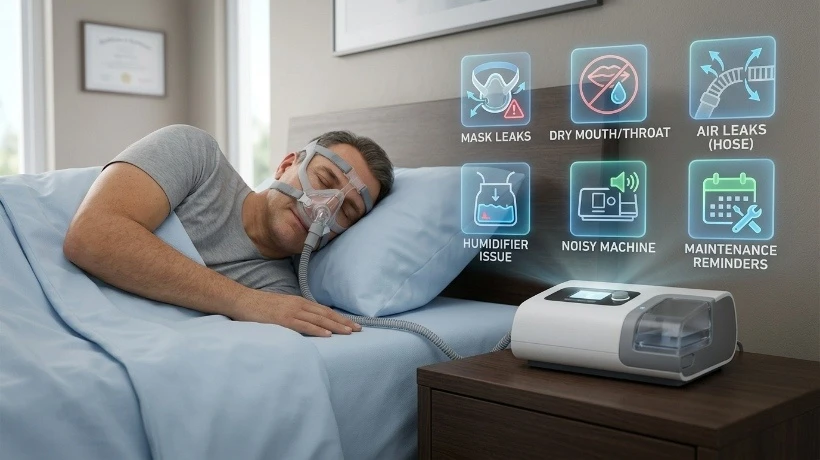
Fix common CPAP Machine Problems like CPAP mask leaks, dry mouth, air leaks, and poor mask fitting with expert tips for better sleep therapy.
A CPAP Machine is used by millions of people to alleviate sleep apnea and gain a good night's sleep. CPAP therapy is one of the most effective treatments for OSA, but many patients have CPAP Machine Problems after a short period of use or after prolonged periods. Problems such as discomfort from the mask, CPAP mask leaks, CPAP dry mouth, loud noises, pressure discomfort and a poorly CPAP mask fitting may impact the effectiveness of CPAP treatment and contribute to discomfort.
Fortunately most CPAP Machine Problems can be easily identified and can be solved with access to the proper knowledge and regular CPAP machine care. If you are a first-time user or have been using a CPAP machine for years, it is important to get a good understanding of these common problems so you can get a better night's sleep and remain consistent with your CPAP therapy.
What Are CPAP Machine Problems?
CPAP Machine Problems are any problems that affect the comfort, performance or effectiveness of your CPAP therapy. The problems may be related to the machine itself or the mask, or to the tubing, humidifier or the use of the equipment.
Common symptoms include:
- Air leaking from the mask.
- Dry mouth or sore throat.
- Most people cannot fall asleep with the mask on, and need it to be removed.
- Loud machine noise.
- Rash or marks on skin from pressure.
- Sense of too much or too little air pressure.
- Water collecting in the tubing.
- Wearing the mask while sleeping.
Early diagnosis can prevent the interruption of sleep and mean a successful therapy.
1. CPAP Mask Leaks
The most common CPAP Machine Problem is CPAP mask leaks. If any air leaks out of the mask rather than into the airway, the machine will not achieve the correct pressure.
Causes of CPAP Mask Leaks
- Loose headgear.
- Incorrect pressure setting for the machine.
- Worn-out mask cushion.
- Wrong mask size a sleeping position that causes a mask to move.
- Facial hair that prevents a good seal.
Signs of CPAP Air Leaks
- Hissing sounds.
- Air blowing into your eyes.
- This means you experience dry eyes first thing in the morning.
- Reduced therapy effectiveness.
- The CPAP machine is generating a lot of alarms about leaks.
How to Fix CPAP Mask Leaks
- Adjust head straps, but do not over tighten.
- Change old mask cushions every couple of months.
- Properly fit the CPAP mask before going to sleep.
- Select the most appropriate mask type to suit your sleeping patterns.
- Wash mask cushion every day to take off oils on the face.
- If leaker, ask your CPAP provider for a professional mask fitting.
A well-fitting mask can drastically minimize CPAP air leaks and make CPAP therapy more comfortable.
2. CPAP Dry Mouth
Lots of people experience a CPAP dry mouth, scratchy throat or possibly too much thirst in the morning. CPAP dryness happens to most people when breathing air escapes through the mouth while sleeping.
Causes
- Mouth breathing
- Low humidifier settings
- CPAP mask leaks
- Nasal congestion
- Poor mask seal
Solutions
- Increase the humidifier level.
- Use Heated Tubing System.
- Treat congestion in the nose before retiring to bed.
- If you breathe through your mouth, try a full face CPAP mask.
- If prescribed by your doctor, wear a chin strap.
Properly hydrating the airway to the right level helps to minimize dry mouth CPAP treatment.
3. Difficulty Adjusting to Air Pressure
No, some newbies are disheartened by the air pressure.
Common Symptoms
- Lack of ability to breathe out
- Shortness of breath
- Claustrophobic feeling
- Difficulty falling asleep
Solutions
- Make use of the Ramp feature.
- Allow pressure relief options.
- Avoid wearing mask in the morning and evening, but wear it during the day.
- If pressure changes are necessary, consult your sleep specialist.
Avoid adjusting the pressure settings without talking with your health care provider.
4. Poor CPAP Mask Fitting
If the CPAP mask fitting doesn't fit properly, it can cause discomfort, leakage, and sleep disruptions.
Signs
- Red cheeks on the face
- Frequent mask movement
- Pain in the nose bridgeHeadaches
- Air leaks
Tips for Better Mask Fitting
· Follow the manufacturer's size guide to size your face.
· Don't over-tighten the straps.
· Replace stretched headgear.
· Change the type of mask, if necessary.
· Fasten mask while in sleeping position.
A mask which fits correctly will be more comfortable and will reduce the CPAP air leak.
5. CPAP Machine Noise
Today's CPAP devices are typically very quiet. If your machine becomes noisy, it could be a problem.
Possible Causes
- Dirty air filters
- Loose tubing
- Worn motor
- Water in the tubes
- Mask leaks
Solutions
- Replace filters regularly.
- Check for cracks in tubing.
- Clean the machine weekly.
- Set machine on level work surface.
- If unusual noises persist, call your supplier.
6. Skin Irritation and Pressure Marks
Redness, irritation or pressure sores are possible for some users.
Causes
- Tight straps
- Allergic reaction
Dirty maskIncorrect mask size
Prevention
- Wash your face before going to sleep at night.
- Clean mask every day.
- Use CPAP mask liners.
- Fit the headgear properly.
- Replace worn cushions.
Skin health is important for a good mask seal.
7. Water Condensation in the Tube (Rainout)
The water droplets in the tubing can disturb sleep.
Causes
- High humidity
- Cold bedroom
- Temperature differences
Solutions
- Use heated tubing.
- Reduce the setting on humidifier.
- Maintain the machine below the height of the mattress.
- Insulate the tubing.
8. Nasal Congestion
It's common for many CPAP patients to have stuffy noses or have their noses run.
Causes
- Dry air
- Allergies
- Incorrect humidity settings
Solutions
- Use the humidifier.
- Clean filters regularly.
- Treat allergies.
- Consider heated tubing.
9. Feeling Bloated After CPAP
Therapy swallowing air is called aerophagia.
Symptoms
- Bloating
- BurpingGas
- Stomach discomfort
Solutions
- Give flexibility in pressure relief options.
- Sleep on your side.
- Do not eat large meals before going to sleep at night.
- Consult your doctor if symptoms do not go away.
10. Removing the Mask During Sleep
Others don't realize they are removing their mask while sleeping.
Causes
- Discomfort
- High pressure
- Mask leaks
- Anxiety
Solutions
- Enhance the fitting of CPAP mask.
- Use the mask before going to sleep, in a relaxed state.
- Check therapy pressure.
- Try a different mask style.
Importance of Regular CPAP Machine Care
With proper your CPAP machine care can function efficiently and minimize most issues with CPAP machines.
Daily Cleaning
- Wash the mask cushion.
- Empty the humidifier container.
- Allow components to air dry.
Weekly Cleaning
- Wash tubing.
- Clean the humidifier.
- Wipe the outside of CPAP machine.
- Wash the headgear.
Monthly Maintenance
- Check filters.
- Inspect tubing for damage.
- Examine mask cushions.Replace worn parts.
Regular cleaning of CPAP machines care helps prolong its lifespan and ensures optimal therapy.
How to Prevent CPAP Air Leaks
Minimizing of CPAP air leaks helps to increase sleep quality and effectiveness.
Tips include:
- Select the right fit of a mask.
- Replace cushions regularly.
- Adjust straps evenly.
- Wash mask cushions every day.
- Replace elastic headgear when it becomes less elastic.
- Sleep with a CPAP-friendly pillow.
A clean mask will form a tighter seal and provide uniform therapy pressure.
When to Replace CPAP Equipment
Many CPAP Machine Problems can be avoided by parts replacement that is scheduled.
Suggested Replacement Schedule
|
Component |
Recommended Replacement |
|
Mask Cushion |
Every 1–3 months |
|
Mask Frame |
Every 3–6 months |
|
Headgear |
Every 6 months |
|
Tubing |
Every 6–12 months |
|
Filters |
Every 1–3 months |
|
Humidifier Chamber |
Every 6–12 months |
Worn parts replacement prevents leaks and enhances comfort.
Tips for Successful CPAP Therapy
Use these best practices to ensure that your CPAP machine works optimally:
- Use your CPAP machine every night.
- Correctly CPAP masks fitting.
- Maintain clean equipment.
- Change any worn accessories as soon as possible.
- Keep an eye on therapy reports, if available.
- Drink plenty of water to prevent CPAP dry mouth.
- Make regular check-up appointments with sleep specialist.
- Report ongoing with the CPAP mask leaks, or discomfort with the CPAP early.
Successful CPAP therapy is all about consistency.
When Should You Contact Your CPAP Provider?
You should seek assistance from professionals when you have CPAP Machine Problems if you have any of the following:
- CPAP Air leaks from the mask do not stop.
- CPAP Dry mouth despite using a humidifier while on Continuous (C-PAP) machine
- Loud machine noises
- Error messages on the device
- Severe mask discomfort
- Breathing problems during operation of the machine
- A reduction in sleep quality, despite regular use
A qualified CPAP provider can check the device, make necessary adjustments and provide replacement parts or a new mask, if needed.
Conclusion
Many people have CPAP Machine Problems, particularly when they begin their therapy, but most issues can be easily resolved by troubleshooting and maintenance. From CPAP mask leaks to CPAP dry mouth, to having the CPAP mask fitting properly all the way to having persistent air leaks around the CPAP mask, finding the cause of the problem and then finding the solution can make an amazing difference in your comfort level and therapy outcome.
By providing routine maintenance of the CPAP machine, replacing parts as needed and ensuring proper mask fit, you can be sure that your CPAP machine will provide you with effective treatment every night. Consistency with therapy and treatment of minor issues before they develop into major issues will lead to better sleep, more energy during the day and to long term relief from sleep apnea symptoms.
If these suggestions don't resolve the CPAP problem, contact your sleep specialist or your CPAP equipment provider. A professional can offer optimal therapy and help you get the maximum benefit from your CPAP treatment.


Comments
Login to Comment