Contact Center Quality Management Platform
04 Feb, 2026
8666 Views 0 Like(s)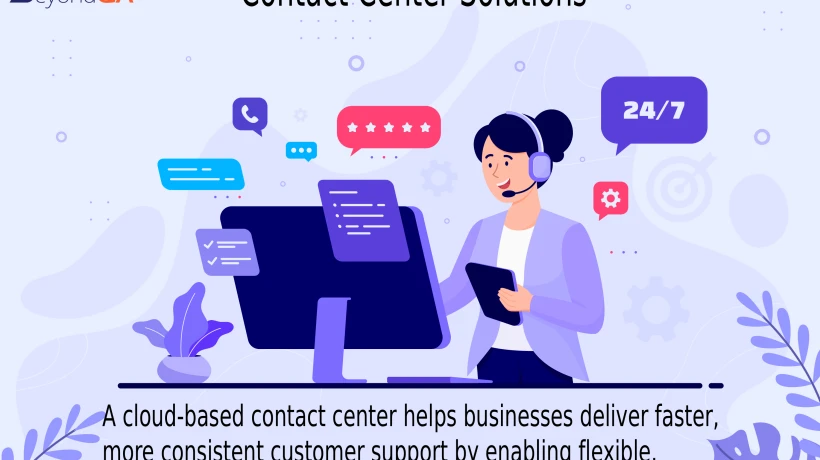
Modern contact center solutions help businesses manage customer interactions across voice, email, chat, and social channels from a unified platform. This article explains how contact center management software, applications, and platforms improve agent productivity, operational visibility, and service quality. It also highlights the importance of scalable contact center software solutions for data-driven decisions, seamless integrations, and consistent customer experiences as organizations grow.
Modern businesses operate in an always-on environment where customer expectations are higher than ever. Fast responses, personalized interactions, and seamless communication across channels are no longer optional—they are critical. This is where well-designed contact center solutions play a central role, helping organizations deliver consistent, high-quality customer experiences while maintaining operational efficiency.
The Evolution of Contact Centers
Traditional call centers were built around voice-only interactions and rigid infrastructure. Today’s contact centers have evolved into dynamic, multi-channel environments that support voice, email, chat, social media, and messaging apps from a single interface. This shift is driven by customer behavior and the need for businesses to stay agile as volumes and channels increase.
A modern contact center platform brings these interactions together, allowing teams to manage conversations holistically rather than in isolated silos. This unified approach improves agent productivity and ensures customers receive faster, more contextual support.
Why Contact Center Management Software Matters
As contact centers scale, manual processes quickly become inefficient. Contact center management software provides the tools needed to oversee daily operations, optimize agent performance, and maintain service quality.
Key capabilities typically include:
-
Workforce scheduling and real-time monitoring
-
Call routing and queue management
-
Performance dashboards and reporting
-
Quality assurance and compliance tracking
With better visibility into operations, managers can identify bottlenecks, forecast demand accurately, and make data-driven decisions that improve both customer satisfaction and agent engagement.
The Role of Contact Center Applications
At the agent level, intuitive contact center applications are essential. These applications act as the primary workspace for customer interactions, bringing together customer history, interaction tools, and knowledge resources in one place.
When agents don’t need to switch between multiple systems, they resolve issues faster and with greater confidence. This leads to shorter handling times, fewer repeat contacts, and a more positive experience for customers. For remote or hybrid teams, cloud-based applications also ensure consistent access regardless of location.
Choosing the Right Contact Center Software Solutions
Not all businesses have the same needs, which is why flexible contact center software solutions are so valuable. Small teams may prioritize ease of setup and cost efficiency, while larger enterprises often need advanced analytics, integrations, and customization.
When evaluating solutions, organizations should consider:
-
Scalability to support future growth
-
Integration with CRM and business systems
-
Support for omnichannel communication
-
Security, data privacy, and compliance requirements
A solution that aligns with long-term business goals will deliver better ROI than one chosen solely for short-term convenience.
Benefits Beyond Customer Support
Effective contact center solutions don’t just improve customer service—they also impact the wider business. Insights gathered from customer interactions can reveal trends, product issues, and opportunities for improvement across marketing, sales, and operations.
Advanced platforms increasingly incorporate AI-driven features such as sentiment analysis, automated routing, and predictive insights. These capabilities help organizations move from reactive support to proactive engagement, addressing issues before they escalate.
Preparing for the Future
As customer expectations continue to evolve, contact centers must remain adaptable. Investing in a robust contact center platform supported by reliable management software and user-friendly applications positions businesses to handle growth, adopt new channels, and maintain service quality under pressure.
In a competitive landscape, the right contact center software solutions are no longer just operational tools—they are strategic assets that shape how customers perceive and interact with your brand.


Comments
Login to Comment