Complete Guide to Radiant Heating System Installation
18 Mar, 2026
4667 Views 0 Like(s)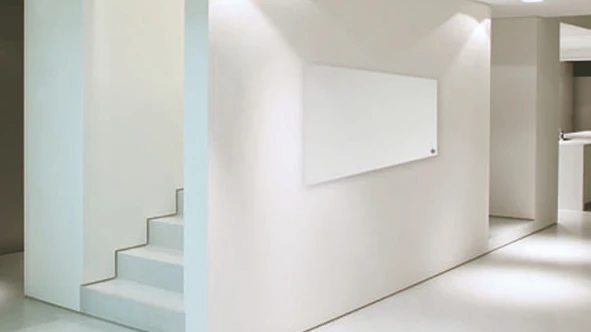
A Radiant Heating System represents a modern, efficient method of maintaining warmth within a property by delivering heat through surfaces such as floors, walls, or even ceilings.
A Radiant Heating System represents a modern, efficient method of maintaining warmth within a property by delivering heat through surfaces such as floors, walls, or even ceilings. Unlike conventional heating systems that primarily warm the air, radiant systems focus on heating objects and people directly, creating a consistent and comfortable indoor climate. This approach ensures a uniform distribution of heat, avoiding issues such as cold draughts or unevenly heated areas.
The system operates through either electrical elements or water-based (hydronic) tubing embedded within the structural surfaces of a building. In the case of underfloor radiant heating, for example, the heat source is concealed beneath the flooring, maximising usable space and removing the need for radiators. Wall or ceiling-mounted options are also available for properties where underfloor installation is not feasible.
One of the primary appeals of radiant heating lies in its energy efficiency. By avoiding the reliance on forced air, as seen in traditional systems, energy wastage is reduced significantly. The direct heating mechanism also allows users to enjoy the desired level of warmth at a lower thermostat setting, which can reduce overall energy consumption.
Radiant heating is particularly suitable for modern homes but can also be retrofitted during renovations, offering flexibility in design while enhancing comfort and improving energy efficiency.
Types of Radiant Heating in Systems
1. Hydronic (Water-Based) Radiant Heating
This system circulates warm water through pipes embedded in floors, walls, or ceilings, providing consistent and energy-efficient heat throughout a space.
2. Electric Radiant Floor Heating
Electric cables or mats installed under flooring generate heat directly, offering quick, even warmth and easy installation for smaller areas or renovations.
3. Radiant Ceiling Panels
These panels, installed on ceilings, emit infrared heat that warms objects and people directly, creating comfortable heat without significantly raising air temperature.
4. Radiant Wall Heating
Warm panels or pipes built into walls radiate heat into rooms, combining energy efficiency with space-saving design, ideal for modern interiors.
5. Outdoor Radiant Heating
Infrared heaters or hydronic systems designed for patios, decks, and outdoor spaces provide comfortable heat for outdoor living areas, extending usability in colder climates.
Benefits of Radiant Heating in Systems
Radiant heating in systems offer numerous advantages that enhance both comfort and efficiency in residential and commercial spaces. One of the standout benefits is their ability to provide consistent and even warmth. Unlike traditional heating systems, which rely on heated air circulation and can create uneven temperature zones, radiant systems heat objects, floors, and walls directly. This method eliminates cold spots, ensuring a more uniform indoor climate.
Another significant advantage lies in their silent operation. With no need for fans or blowers, radiant heating in systems produce no noise, contributing to a peaceful living environment. This feature makes them ideal for bedrooms, libraries, or spaces where quiet is valued.
Additionally, radiant systems can help improve indoor air quality. Traditional heating systems that use ducts often circulate dust, allergens, and pollutants, which can exacerbate respiratory issues. Radiant heating, on the other hand, eliminates this problem, offering a cleaner and healthier option for those with allergies or sensitivities.
Energy efficiency is also a major benefit. Radiant heating in systems operate at lower temperatures while still achieving optimal comfort, which can result in significant energy savings. This efficiency also means a reduction in overall energy consumption, making radiant heating a cost-effective and environmentally conscious choice.
Finally, the system’s discreet design allows for more flexible interior layouts, as it removes the need for visible radiators or vents.
Installation Process of Electric Radiant Heating System
Installing an Electric Radiant Heating System involves precise preparation and adherence to safety measures. Begin by ensuring the subfloor is properly levelled, clean, and free of debris to facilitate smooth installation. Once the subfloor is ready, apply an insulating layer to improve efficiency by reducing heat loss to the underlying surface.
Lay the electric heating mats, cables, or films systematically, following the manufacturer’s guidance for spacing and layout. This ensures even heat distribution across the designated area. Secure the heating elements in place to prevent movement during the subsequent steps. Next, connect the heating components to the thermostat and power supply. This step may require professional assistance to ensure compliance with electrical regulations and safe operation.
Before installing the final flooring, it is essential to perform a continuity test using a multimeter. This ensures the system is functioning correctly and that no damage has occurred during the installation process. After confirming the system's integrity, carefully install the chosen flooring material over the heating elements. Materials such as tile or stone are particularly effective for maximising heat transfer, but always consult with the flooring manufacturer for compatibility with underfloor heating systems. Testing the system after the flooring is in place ensures optimal performance.
Maintenance and Upkeep
Regular maintenance of a radiant heating in system ensures consistent performance and longevity. Start by visually inspecting the thermostat and control systems. Look for any signs of wear, damage, or malfunctioning components, and promptly address any issues to prevent further complications.
For electric radiant systems, periodically check the integrity of the wiring and connections. Any exposed or damaged wires should be repaired or replaced by a qualified professional. For hydronic systems, monitor the boiler and pipework for leaks or pressure irregularities. Ensure the boiler is serviced annually by a professional to maintain optimal performance and efficiency.
Inspect the flooring or wall surfaces under which the system is installed. Cracks, damage, or lifting materials may indicate an underlying issue with the heating elements and should be addressed promptly. In areas with hard water, descale the hydronic system periodically to prevent mineral buildup in the pipes, which can reduce efficiency.
It is also advisable to test the system’s operation at the start of each heating season. Gradually increase the temperature setting to ensure the system heats evenly without any faults. Keeping a maintenance log can help track service schedules, repairs, and inspections, ensuring the system continues to deliver effective and efficient heating year-round.
Cost Considerations of the Outdoor Radiant Heaters
Outdoor Radiant Heaters provide an effective solution for warming open areas such as patios, terraces, and gardens. When determining costs, it’s essential to consider the heater's type, power source, and heating capacity. Electric outdoor heaters tend to have a lower upfront cost and are easier to install, making them suitable for smaller spaces. However, their operational costs may be higher, particularly if used frequently. Gas-powered models, though often pricier initially, can offer lower running costs for extended use in larger areas.
The choice of materials also influences costs. Stainless steel heaters, for instance, are more durable and resistant to weather conditions but come at a higher price than models made with less robust materials. Additionally, some outdoor radiant heater feature adjustable settings, remote controls, or safety shut-off mechanisms, all of which can impact the total investment.
Installation costs vary depending on the type of heater and whether professional assistance is required. While some portable units are plug-and-play, fixed heaters, particularly those mounted on walls or ceilings, may require specialised installation services. Factoring in maintenance, such as periodic cleaning or replacing gas canisters, ensures the heater remains functional and efficient over time, contributing to overall cost considerations.
Environmental Impact
1. Energy-Efficient Heating
Infrared heaters directly warm objects and people rather than the surrounding air, reducing overall energy consumption compared to traditional convection heaters.
2. Lower Greenhouse Gas Emissions
Because they use less electricity to provide effective heat, infrared heaters can help reduce carbon emissions, especially when paired with renewable energy sources.
3. Minimal Material Waste
Infrared heaters have a simple design with fewer components than conventional heating systems, leading to less manufacturing waste and a smaller environmental footprint.
4. Reduced Air Pollution
Unlike combustion-based heaters, infrared heaters produce no on-site emissions, avoiding indoor and outdoor air pollution.
5. Long Lifespan and Durability
Infrared heaters are often long-lasting with minimal maintenance, which reduces the frequency of replacements and decreases the environmental impact associated with disposal.
Choosing the Right Electric Radiator Heater for Your Home
When selecting an Electric Radiator Heater, it’s important to consider factors such as the room’s size, the heater’s wattage, and the desired level of control. Assess the heating capacity of the heater, typically measured in watts, to ensure it is sufficient for the area you wish to warm. As a general rule, around 100 watts per square metre is needed for well-insulated spaces. Rooms with poor insulation or high ceilings may require additional power to achieve comfortable temperatures.
Features such as programmable thermostats and timers can enhance energy efficiency by allowing you to customise heating schedules. Some models also offer smart controls that can be managed via mobile apps, providing added convenience. Look for heaters with safety features such as overheat protection and child locks, particularly in homes with young children or vulnerable individuals.
Additionally, consider the heater’s design and placement. Wall-mounted options are ideal for saving floor space and creating a sleek appearance, while freestanding models offer portability and flexibility. Check the compatibility of the heater with your electrical supply, ensuring it meets the required voltage and wiring standards. Investing in a quality electric radiator heater with the right features will enhance comfort and energy management in your home.
Conclusion
Radiant heating systems provide a solution that prioritises comfort, efficiency, and innovation, making them an appealing option for a variety of settings. With their ability to offer even warmth without the reliance on forced air, they cater to those who value a tranquil, allergy-friendly environment. The flexibility of installation options, whether underfloor, wall-mounted, or ceiling-mounted, allows them to integrate seamlessly into both new builds and renovation projects. Modern advancements in programmable thermostats and zoned heating add a level of control that helps users tailor their systems to specific needs, reducing unnecessary energy consumption. Furthermore, their compatibility with renewable energy sources offers an opportunity to reduce environmental impact while achieving long-term cost savings. For homes with high ceilings or poor insulation, considering additional measures to optimise heat retention can further enhance the system's performance. Choosing the right materials for flooring or other surfaces will also ensure that heat transfer is maximised. By investing in a radiant heating in system, homeowners can elevate their living experience while addressing energy efficiency and sustainability concerns in a practical manner.
6 FAQS
1. What makes hydronic systems more efficient than electric systems?
Hydronic systems use water to transfer heat, which is more efficient over larger areas due to water's superior heat retention and lower operating costs.
2. Are radiant heating systems suitable for older homes?
Yes, Radiant Heating System can be retrofitted during renovations, though installation may be more complex depending on the existing structure.
3. Do radiant systems require special flooring materials?
While most flooring types are compatible, materials like tile and stone are ideal for heat transfer. Always confirm compatibility with your chosen flooring.
4. Can radiant heating be used outdoors?
Yes, outdoor radiant heater are effective for patios and gardens, with electric or gas-powered options available to suit varying needs.
5. How does radiant heating affect heating costs?
By operating at lower temperatures and heating directly, radiant systems often lead to reduced energy bills despite higher upfront costs.
6. Is professional installation necessary?
For safety and efficiency, professional installation is highly recommended, especially for hydronic systems and electrical connections.
|
Related Business Listings |


Comments
Login to Comment