Buying Your First Kilt: A Straightforward Buyer's Guide
23 Jun, 2026
1244 Views 0 Like(s)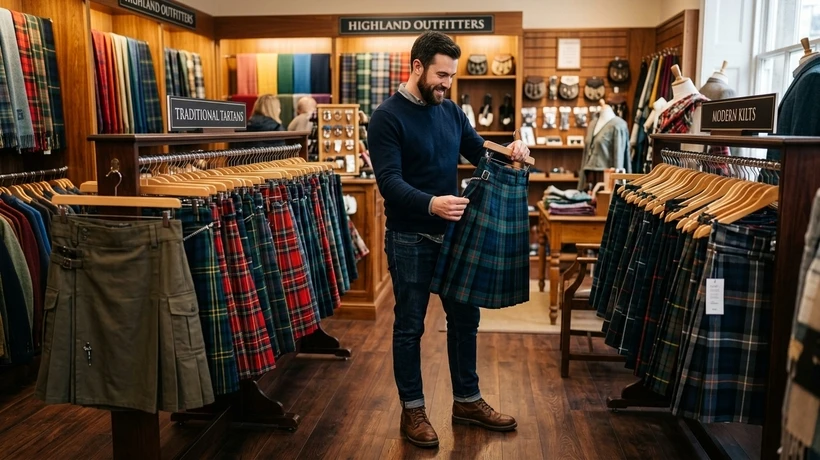
Buying your first kilt? This straightforward guide covers sizing, styles, fabrics, features, and accessories to help you choose the right kilt with confidence.
First-time kilt buyers face a wall of styles, fabrics, and fit terms. The wrong choice leads to a garment that sits unworn in your closet. That wasted purchase frustrates anyone new to kilts. A clear buying process removes the guesswork. This guide walks you through fit, style, and fabric so your first kilt is one you actually wear.
Start With Your Purpose
Decide what you need the kilt for before you shop. Daily wear, work, and formal events each call for different features.
A clear purpose narrows your options fast. You skip the styles that do not fit your goal and focus on what matters. This single step saves you time and money.
Write down how often you expect to wear it. A daily-wear plan justifies different features than an occasional formal piece. That honest estimate shapes a smarter purchase.
List your top two uses honestly. Most people need a kilt for one or two main settings. Focusing on those keeps the decision clear and practical.
Getting Your Measurements Right
Measure your natural waist where the kilt will sit, just above the hip bone. Use a soft tape and keep it level.
Note your preferred length, usually the top or middle of the knee. Accurate measurements matter more than any other factor. A great fabric in the wrong size still looks wrong.
Measure at the same time of day twice. Your waist can vary slightly, and a second reading confirms the number. Consistent measurements prevent a fit that misses by an inch.
Have someone help if you can. A second person reads the tape more accurately around the waist. Precise numbers prevent a fit that disappoints on arrival.
Choosing a Style That Fits Your Life
Casual wearers do well with versatile, modern cuts. Workers need pockets and heavy fabric. Formal events call for richer materials.
Match the style to how you plan to wear it. The broad range of kilts for men covers each of these directions, so you can compare cuts side by side before deciding.
Be realistic about your routine. Buying a formal style you rarely need leaves it unworn. A versatile cut that matches your week earns its place far faster.
Versatility pays off for first buyers. A flexible style covers more situations while you learn what you like. You can specialize with your second purchase.
Understanding Fabric Options
Cotton blends offer breathability and easy care for daily wear. They suit warm climates and casual use.
Heavier canvas and wool suit work and formal settings respectively. Choose the fabric that matches your purpose and climate. The right material affects comfort, durability, and how the kilt looks over time.
Climate should drive the call. A hot region rewards breathable cotton, while a cold one suits heavier cloth. Pick for the weather you actually live in.
Setting a Sensible Budget
A quality kilt costs more upfront but lasts far longer. Cheap versions fail fast and need replacing.
Think about cost per wear rather than the sticker price. A well-made kilt you wear for years beats a cheap one you replace each season. Invest in fabric and construction that hold up.
For everyday options that balance price and quality, the range of modern kilts gives new buyers a solid starting point.
Factor in care costs too. A low-maintenance fabric saves money over years of washing. The cheapest tag is not always the lowest true cost.
Resist the cheapest option. Bottom-tier kilts wear out fast and disappoint. A mid-range, well-made choice serves first buyers far better.
Checking Construction Quality
Look at the seams and the pleat alignment before buying. Even stitching and aligned pleats mark good construction.
Check that the straps and buckles feel sturdy. These details separate a kilt that lasts from one that fails. A few minutes of inspection saves you a disappointing purchase.
Test the hardware with your hands. Buckles and straps take daily stress and fail first when cheap. Sturdy hardware signals a kilt built to last.
Inspect the pleats closely. Even, well-pressed pleats signal careful making. Sloppy pleats hint at corners cut elsewhere.
Caring for Your New Kilt
Wash in cold water and air dry to protect the fabric and color. Empty pockets first to avoid damage.
Press along the pleats and store the kilt hung between wears. These simple habits keep your first kilt looking sharp. Good care extends its life well beyond a single season.
Read any fabric-specific guidance once. A two-minute read prevents a washing mistake that shortens the garment's life. Good habits start with the first wash.
Build the routine from day one. Consistent cold washes and air drying protect your investment. Early habits keep the kilt sharp for years.
Making the Purchase With Confidence
With your purpose, measurements, and budget set, the choice becomes clear. You know exactly what to look for.
Order early so you have time to check the fit. Once your first kilt arrives and fits well, the rest follows naturally. Most buyers find their first quality kilt leads to a second before long.
Keep your measurements handy for next time. A saved record speeds up future purchases. Your first buy makes every following one easier.


Comments
Login to Comment