Beginner’s Guide: Choose Passive House Heat Exchanger
23 Mar, 2026
4228 Views 0 Like(s)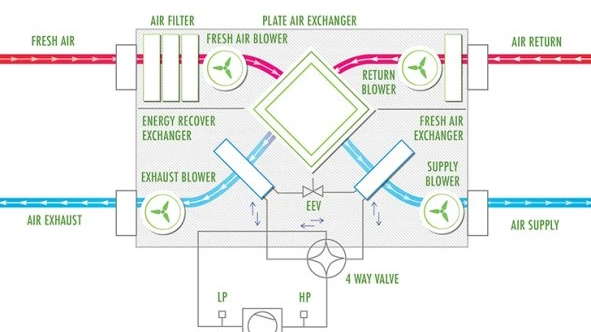
A Passive House Heat Exchanger is a pivotal element in modern energy-efficient housing, serving as a cornerstone for maintaining comfort and reducing energy consumption. Its primary function is to recover heat from outgoing stale air and transfer it to incoming fresh air without mixing the two air streams. This heat recovery process not only ensures a consistent indoor temperature but also promotes improved air quality by delivering fresh, filtered air into living spaces.
At the heart of the Passive House concept, the heat exchanger works in conjunction with a ventilation system to regulate airflow, ensuring an energy-efficient and healthy home environment. By capturing up to 90% of the heat that would otherwise be lost in traditional ventilation systems, it dramatically reduces the need for supplementary heating or cooling. This makes it an ideal solution for those seeking to lower energy bills and minimise their environmental impact.
Key Features of a Passive Houses Heat Exchanger
- High-efficiency heat recovery: Most systems achieve significant heat retention rates.
- Airtight design: Prevents heat loss and keeps contaminants out.
- Continuous ventilation: Ensures a steady supply of fresh air, enhancing comfort and health.
The effectiveness of a heat exchanger is largely dependent on its quality, proper installation, and ongoing maintenance, ensuring it operates at peak performance throughout its lifespan.
What is a Heat Exchange System for Homes?
A Heat Exchange System for Home plays a significant role in maintaining indoor comfort while reducing energy consumption. It operates by transferring heat between outgoing stale air and incoming fresh air, ensuring the two air streams remain separate to avoid cross-contamination. This process allows the system to deliver a consistent supply of fresh, filtered air while recovering the majority of the heat that would otherwise be lost through traditional ventilation systems.
Heat exchangers are designed to regulate indoor temperature without relying heavily on additional heating or cooling systems. This makes them especially valuable for energy-efficient homes, as they significantly reduce reliance on external heating sources and lower overall energy costs. By maintaining optimal airflow, the system also helps to control humidity levels and prevent issues such as condensation or mould, which are common in poorly ventilated spaces.
A key component of the heat exchange system is its filtration mechanism, which removes dust, allergens, and other airborne particles, improving the overall air quality within the home. This ensures that the air circulating indoors is not only comfortable in temperature but also safe to breathe, benefiting the health and well-being of all residents. A well-installed and maintained system provides a sustainable solution for energy efficiency and improved indoor living conditions.
Different Types of Heat Exchangers for Passive Houses
Plate Heat Exchangers
Plate heat exchangers consist of multiple thin, corrugated plates that transfer heat between two air or fluid streams. They are compact, efficient, and commonly used in Passive House ventilation systems for recovering heat from exhaust air.
Cross-Flow Heat Exchangers
In cross-flow heat exchangers, the two air streams flow perpendicular to each other, allowing heat transfer while keeping the streams separate. They are simple, cost-effective, and suitable for small to medium Passive House applications.
Counter-Flow Heat Exchangers
Counter-flow heat exchangers allow the incoming and outgoing air streams to move in opposite directions, maximizing heat transfer efficiency. They are highly efficient and often preferred in energy-conscious Passive House designs.
Rotary Heat Exchangers
Rotary (or wheel) heat exchangers use a rotating thermal wheel to transfer heat and, in some cases, moisture between air streams. They provide high efficiency and can also help balance indoor humidity levels.
Run-Around Coil Heat Exchangers
Run-around coil systems use separate coils connected by a fluid loop to transfer heat between supply and exhaust air. They are ideal for retrofits or situations where ducting between intake and exhaust is not feasible.
Plate Heat Exchangers: Compact and Highly Efficient Solutions
Plate heat exchangers are composed of thin, stacked plates that enable efficient heat transfer between incoming and outgoing air. Their compact design ensures they take up minimal space, making them particularly suitable for smaller homes. The plates provide a large surface area for heat exchange while maintaining complete separation between air streams, ensuring no cross-contamination occurs.
H3: Rotary Heat Exchangers: Balancing Heat Recovery and Humidity Control
Rotary heat exchangers feature a rotating wheel that facilitates heat and moisture transfer between airflows. They are particularly effective in maintaining indoor humidity levels, which is beneficial in colder climates where air can become overly dry. However, their moving parts may require more regular maintenance compared to other types, and their larger size can pose challenges in homes with limited installation space.
Counterflow Heat Exchangers: Maximising Energy Efficiency
Counterflow heat exchangers use opposing airflows to maximise heat recovery efficiency. Their design allows for greater heat exchange compared to traditional crossflow systems. These systems are ideal for Passive Houses aiming for the highest energy performance, although their more intricate construction may involve higher installation costs.
How to Choose the Right Heat Exchanger for Your Home
Selecting the most suitable heat exchanger for your home involves careful consideration of various factors to ensure it meets your specific requirements. Start by evaluating the size of your property and its ventilation needs. Larger homes may demand more powerful systems, while compact spaces benefit from smaller, highly efficient units.
Next, focus on the efficiency ratings of the heat exchangers. Systems with higher heat recovery rates will save more energy over time. Look for models that offer certifications for energy efficiency and adhere to Passive House standards.
Budget is another important aspect to weigh. While premium systems may involve a higher initial cost, they often result in long-term savings due to reduced energy consumption. Consider the balance between upfront investment and ongoing operational savings.
Additionally, think about the climate where you live. For colder regions, a heat exchanger with enhanced thermal performance is crucial, while systems designed for humidity control might be more suitable for humid climates.
Finally, research the filtration quality of the system. High-performance filters that remove dust, allergens, and pollutants are vital for maintaining a healthy indoor environment.
Consulting a Passive House expert or an experienced installer will ensure the heat exchanger you choose is well-suited to your home and installed correctly for optimal performance.
Installation Process for a Heat Exchange Ventilation
Installing a Heat Exchange Ventilation requires careful planning and precise execution to ensure optimal operation. Follow these detailed steps to complete the installation effectively:
1. **Prepare the Installation Area**: Select an appropriate location for the heat exchanger unit, ideally in a central spot such as a utility room or loft. Ensure adequate space for ventilation ducts and access for maintenance.
2. **Install the Heat Exchanger Unit**: Securely mount the unit on the wall or ceiling using brackets or stands provided by the manufacturer. Make sure it is level and firmly fixed to prevent vibration.
3. **Connect Ventilation Ducts**: Attach the incoming and outgoing air ducts to the designated ports on the unit. Use airtight seals or clamps to secure the connections and minimise heat loss.
4. **Set Up Drainage for Condensation**: If the unit generates condensation, install a drainage system to collect and direct water away from the unit. Ensure the drain is free from obstructions.
5. **Install Control Systems**: Wire the system’s control panel or thermostat, following the manufacturer’s guidelines. This ensures proper regulation of airflow and temperature.
6. **Perform Operational Checks**: Test the system to confirm all connections are secure and functioning correctly. Adjust airflow settings if necessary to achieve optimal performance.
Maintenance Tips for Ensuring Longevity
Regular Cleaning of Heat Exchanger Cores
Dust, debris, and dirt can accumulate in the heat exchanger core, reducing efficiency. Clean the cores regularly according to manufacturer guidelines to maintain optimal heat transfer.
Replace or Clean Air Filters Frequently
Air filters prevent dust and particles from entering the system. Check and replace or clean filters regularly to ensure proper airflow and protect the heat exchanger from damage.
Inspect and Maintain Fans and Motors
Fans and motors are essential for circulating air through the heat exchanger. Regularly inspect for wear, unusual noises, or vibration, and lubricate or service them as needed to ensure smooth operation.
Check Condensate Drains and Moisture Levels
Passive Houses heat exchangers may produce condensation. Ensure condensate drains are clear and inspect for moisture buildup to prevent corrosion, mold growth, and water damage.
Schedule Professional Servicing
Have a certified technician perform periodic inspections and maintenance. Professional servicing ensures that the heat exchanger operates efficiently, prolongs lifespan, and prevents potential system failures.
Benefits of Using Heat Exchanger Vent
A Heat Exchanger Vent provides a range of advantages for both energy efficiency and overall home comfort. By recovering heat from outgoing stale air, the system minimises the need for conventional heating methods, resulting in notable reductions in energy consumption and utility expenses. This makes it an eco-friendly solution that contributes to a lower carbon footprint.
One of the most significant benefits is the improved indoor air quality. The system consistently supplies fresh, filtered air, removing dust, allergens, and pollutants. This is particularly beneficial for individuals with respiratory conditions or allergies, as it creates a healthier living environment. Additionally, by maintaining steady airflow, the system helps regulate indoor humidity levels, reducing the risk of condensation, damp, and mould growth.
Another advantage lies in its ability to ensure a uniform indoor temperature. By efficiently recovering heat, the system eliminates uncomfortable draughts and cold spots, ensuring a cosy environment throughout the year. Unlike traditional ventilation methods, the system operates quietly and seamlessly, contributing to a peaceful and comfortable home atmosphere.
Furthermore, these systems are designed for long-term durability, with many models offering advanced features such as smart controls for customisation and energy monitoring, ensuring optimal performance with minimal manual intervention.
Common Challenges and Solutions
Even the best Passive Houses Heat Exchangers may encounter challenges that require attention. One common issue is airflow restriction, often caused by dirty or clogged filters. Ensure filters are cleaned or replaced regularly to maintain efficiency. Blockages within ducts can also limit airflow; inspect and clear any debris to restore proper operation.
Noise can be another concern, particularly if components such as fans or bearings become loose or worn. Address these promptly by consulting a professional to avoid further damage. Similarly, unusual odours might indicate a need for filter replacement or duct cleaning to remove trapped contaminants.
Humidity control can sometimes pose a challenge, especially in areas with extreme weather conditions. If condensation forms excessively, check the drainage system for blockages and ensure it is functioning correctly. Additionally, ensure the heat exchanger core is cleaned periodically to maintain heat transfer efficiency.
For consistent performance, monitor energy consumption. Sudden increases could signal a malfunction within the system. In such cases, seek expert assistance to identify and resolve the underlying issue efficiently. Always follow the manufacturer's maintenance guidelines for optimal results.
Conclusion
A Passive House Heat Exchanger plays a vital role in maintaining a healthy and energy-efficient living environment. Selecting the right system involves evaluating your home’s size, ventilation requirements, climate, and budget. Installation should always adhere to manufacturer guidelines and, where possible, be carried out by professionals to ensure proper operation and maximum efficiency.Ongoing maintenance is essential for keeping the system functioning optimally. Regularly clean or replace filters, inspect ducts for obstructions, and check the condensation drainage system to prevent potential issues. Address any unusual noises or odours promptly, as these can indicate mechanical problems or the need for a filter change.Investing in a high-quality heat exchanger not only reduces energy bills but also improves indoor air quality, benefiting the health and well-being of residents. By maintaining consistent airflow and regulating humidity levels, these systems create a comfortable and sustainable home atmosphere. Incorporating energy-efficient technologies into your home is a practical step towards lowering environmental impact and enhancing overall living conditions, ensuring long-term comfort and cost savings. Professional support remains invaluable to ensure correct system upkeep and address challenges effectively.
6 FAQS
1. **What is the purpose of a Passive House Heat Exchanger?**
Passive House Heat Exchanger main role is to recover heat from outgoing air and transfer it to incoming air, ensuring energy efficiency and improved indoor air quality.
2. **What distinguishes plate heat exchangers from rotary models?**
Plate heat exchangers use stacked plates for heat transfer, whereas rotary systems involve a rotating wheel, offering additional humidity control.
3. **How frequently should heat exchanger filters be maintained?**
Inspect filters every three months and clean or replace them as needed to ensure optimal airflow and efficiency.
4. **Can all homes accommodate a heat exchanger system?**
While designed for Passive Houses, these systems can often be adapted for traditional homes with appropriate modifications.
5. **What are the warning signs of a potential system fault?**
Look for unusual noises, reduced efficiency, inconsistent temperatures, or higher energy consumption.
6. **Is annual servicing essential for a Passive Houses Heat Exchanger?**
Yes, professional maintenance ensures long-term performance and helps identify minor issues before they escalate.
|
Related Business Listings |


Comments
Login to Comment