Arachis Oil Wholesale: A Complete Guide to Uses, Benefits & Industries
20 Jul, 2026
8 Views 0 Like(s)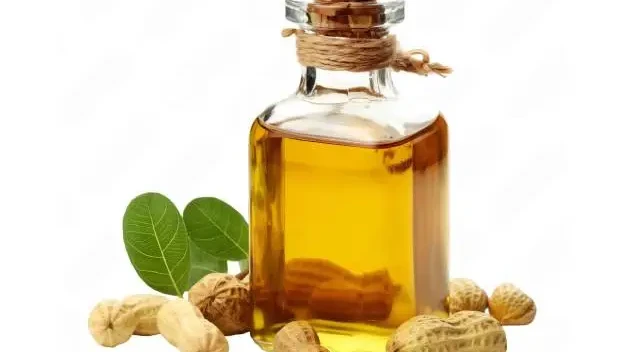
A complete guide to Arachis oil wholesale — how it's extracted, its nutritional and skin benefits, and its role across food, cosmetics, and pharma industries.
Arachis oil, more commonly known as peanut oil or groundnut oil, is one of the most versatile vegetable oils used across the globe. Extracted from the seeds of the Arachis hypogaea plant, this oil has carved a strong presence in food processing, pharmaceuticals, cosmetics, and industrial manufacturing. As demand for natural and plant-based oils continues to rise, buyers across sectors are increasingly turning to the wholesale market to source Arachis oil in bulk, ensuring consistent quality, better pricing, and dependable supply chains.
This article explores what Arachis oil suppliers is, how it is processed, its wide-ranging benefits, and the industries that rely on it — offering a complete picture for procurement teams, manufacturers, and distributors considering a wholesale purchase.
What Is Arachis Oil?
Arachis oil is a pale yellow, mild-flavored oil derived from peanuts through mechanical pressing or solvent extraction. It is prized for its high smoke point, stable shelf life, and rich composition of monounsaturated and polyunsaturated fatty acids. Depending on the refining process, Arachis oil is available in several grades — refined, cold-pressed, and refined bleached deodorized (RBD) — each suited to different end uses, from cooking to skincare formulations.
The Extraction and Processing Method
Understanding how Arachis oil manufacturers is made helps explain why quality varies so much between suppliers.
- Cleaning and Shelling – Raw peanuts are cleaned to remove dirt, stones, and shell fragments, then de-shelled to isolate the kernels.
- Crushing and Pressing – The kernels are crushed and mechanically pressed (expeller pressing) to release the oil. Cold-pressed methods preserve more natural nutrients and aroma, while hot-pressing yields higher output.
- Solvent Extraction (Optional) – For higher yield, residual oil left in the pressed cake is often extracted using food-grade solvents, which are later removed through evaporation.
- Refining – Crude oil undergoes degumming, neutralization, bleaching, and deodorization to remove impurities, free fatty acids, and odor, resulting in a clear, stable, and long-lasting product.
- Filtration and Packaging – The final oil is filtered for clarity and packed in bulk containers, drums, or tankers suited for wholesale distribution.
This multi-stage process ensures the oil meets the purity and stability standards required by different industries.
Key Benefits of Arachis Oil
1. Nutritional Value Arachis oil is rich in vitamin E, monounsaturated fats, and antioxidants. It supports heart health by helping maintain healthy cholesterol levels and is a preferred cooking oil in many households and commercial kitchens.
2. High Smoke Point With a smoke point around 225–230°C, Arachis oil is ideal for deep frying, sautéing, and high-heat cooking without breaking down or producing harmful compounds.
3. Skin and Hair Nourishment The oil's emollient properties make it a popular ingredient in massage oils, moisturizers, and hair care formulations. It helps retain moisture, soothes dry skin, and adds shine to hair.
4. Stability and Long Shelf Life Compared to many other vegetable oils, Arachis oil has excellent oxidative stability, meaning it resists rancidity longer — a valuable trait for bulk storage and long-distance shipping.
5. Versatility in Formulation Its neutral aroma and light texture make it easy to blend with essential oils, active ingredients, and other carriers in cosmetic and pharmaceutical products.
Industries That Rely on Arachis Oil
Food and Beverage Industry:- Restaurants, snack manufacturers, and packaged food companies use Arachis oil extensively for frying, baking, and salad dressings due to its neutral taste and heat tolerance.
Cosmetics and Personal Care:- As a base or carrier oil, Arachis oil is used in lotions, creams, soaps, lip balms, and massage oils for its skin-friendly, non-greasy feel.
Pharmaceutical Industry:- Arachis oil serves as a solvent or carrier in certain injectable formulations, capsules, and topical medicinal preparations, valued for its purity when refined to pharmaceutical-grade standards.
Soap and Detergent Manufacturing:- Its fatty acid profile makes it useful in soap-making, contributing to lather and moisturizing qualities in bar soaps.
Industrial and Lubricant Applications:- In some regions, Arachis oil is used as a base for specialty lubricants and biodegradable industrial fluids, owing to its natural composition and renewability.
Why Businesses Choose Wholesale Sourcing
Buying Arachis oil wholesale volumes offers several practical advantages for manufacturers and distributors:
- Cost Efficiency – Bulk purchasing significantly reduces per-unit cost compared to retail packaging.
- Consistent Supply – Long-term wholesale contracts help avoid production disruptions caused by market shortages.
- Customizable Grades – Wholesale suppliers often offer multiple grades (cold-pressed, refined, organic) to match specific industrial or formulation needs.
- Bulk Packaging Options – Availability in drums, IBC totes, and tankers simplifies logistics for large-scale operations.
Sourcing from an established supplier such as Hetaksh Essential Oils ensures buyers get consistent quality, proper documentation, and reliable batch testing — factors that matter greatly when oil is used in food, cosmetic, or pharmaceutical products where compliance is non-negotiable.
Things to Check Before Buying Arachis Oil Wholesale
- Certificate of Analysis (CoA) for each batch
- FSSAI, GMP, or relevant regulatory certifications depending on end use
- Oil grade (cold-pressed vs. refined vs. RBD)
- Packaging options and minimum order quantity (MOQ)
- Shelf life and storage recommendations
- Traceability of raw material sourcing
Arachis oil distributors versatility, stability, and broad industrial relevance make it a staple commodity for businesses across multiple sectors. Whether the requirement is food-grade oil for large-scale food production or cosmetic-grade oil for personal care manufacturing, sourcing through a reliable wholesale channel ensures consistent quality, competitive pricing, and uninterrupted supply for growing business needs.
Frequently Asked Questions (FAQ)
Q1: What is Arachis oil used for?
Arachis oil is used in cooking and frying, cosmetic formulations, pharmaceutical carriers, soap manufacturing, and select industrial lubricant applications.
Q2: Is Arachis oil the same as peanut oil?
Yes, Arachis oil is another name for peanut oil, derived from the Arachis hypogaea plant.
Q3: What is the difference between cold-pressed and refined Arachis oil?
Cold-pressed oil retains more natural nutrients, flavor, and aroma since it's extracted without heat, while refined oil undergoes additional processing to remove impurities, resulting in a more neutral taste and longer shelf life — better suited for high-volume commercial use.
Q4: Is Arachis oil safe for people with nut allergies?
Highly refined Arachis oil generally has minimal allergenic protein content, but it may still pose a risk to individuals with severe peanut allergies. Products intended for allergy-sensitive markets should always be tested and labeled accordingly.
Q5: What packaging options are available for wholesale orders?
Wholesale Arachis oil is typically available in drums (200L), IBC totes (1000L), and bulk tankers, depending on order volume and buyer requirements.
Q6: What is the shelf life of Arachis oil?
Properly refined and stored Arachis oil typically has a shelf life of 12 to 18 months, though this can vary based on storage conditions and packaging type.
Q7: Can Arachis oil be used in cosmetic formulations?
Yes, it is widely used as a carrier oil in lotions, creams, and massage oils due to its lightweight texture and skin-nourishing properties.
Q8: How is quality verified before a wholesale purchase?
Reputable suppliers provide a Certificate of Analysis (CoA) detailing parameters like free fatty acid content, moisture level, peroxide value, and color, along with relevant regulatory certifications.
Q9: What industries generate the highest demand for Arachis oil?
The food processing, cosmetics, pharmaceutical, and soap manufacturing industries represent the largest wholesale demand for Arachis oil globally.
Q10: Is Arachis oil considered environmentally sustainable?
As a plant-derived, biodegradable oil, Arachis oil is generally considered a more sustainable alternative to petroleum-based oils in industrial applications, though sustainability also depends on farming and extraction practices.



Comments
Login to Comment