
Parents should also inspect toys regularly for loose stitching, damaged seams, or worn-out fillings.
Safe and Soft Stuffed Animal Toys for Babies and Toddlers
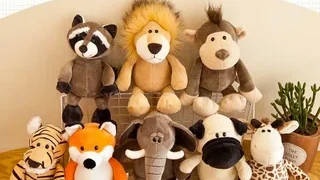
Choosing the right toys for babies and toddlers is essential for their development, safety, and comfort. Among the many options available, stuffed animal toys remain a timeless favorite. They not only provide a sense of companionship but also encourage imaginative play, sensory exploration, and emotional bonding. Parents are increasingly prioritizing safety and softness when selecting these toys, as young children require items that are gentle on their skin and free from harmful materials.
High-quality stuffed animal toys are designed to meet strict safety standards. They are typically made with non-toxic fabrics and hypoallergenic fillings that reduce the risk of allergic reactions. Additionally, these toys often feature securely stitched eyes, noses, and other small parts to prevent choking hazards. By choosing soft and safe stuffed animals, parents can ensure their little ones enjoy endless playtime while staying protected.
Importance of Choosing Safe Materials
When it comes to stuffed animal toys for babies and toddlers, the materials used are critical. Babies tend to put toys in their mouths, making non-toxic and hypoallergenic fabrics a must. Cotton, organic fibers, and BPA-free polyester fillings are commonly used to create plush toys that are gentle on delicate skin. These materials not only minimize irritation but also make the toys durable and easy to clean.
Safety is not just about fabrics; it also involves avoiding small detachable parts. High-quality stuffed animals are designed with embroidered features instead of plastic buttons or beads. This reduces the risk of choking while ensuring that toddlers can snuggle and play with their toys safely. Parents should always check product labels for certifications like ASTM or EN71, which indicate compliance with toy safety standards.
Encouraging Emotional Development
Stuffed animal toys play a crucial role in a child’s emotional growth. They often become a child’s first companion, offering comfort during stressful situations or bedtime. Babies and toddlers can express affection, practice empathy, and develop a sense of security through interactions with their plush friends. The softness and cuddly nature of these toys make them ideal comfort objects that children naturally gravitate towards.
Beyond emotional support, these toys also help develop social skills. Pretend play with stuffed animals allows toddlers to experiment with communication, role-playing, and problem-solving. By talking to, feeding, or caring for their plush toys, children enhance their understanding of emotions and relationships, which lays the foundation for future interpersonal skills.
Promoting Sensory Exploration
Soft stuffed animal toys offer more than comfort—they stimulate the senses in early childhood. Different textures, colors, and shapes encourage tactile and visual exploration. Some toys may include crinkly sounds, gentle rattles, or soft squeaks that engage auditory senses while promoting curiosity and attention. These multi-sensory experiences are essential for cognitive development in babies and toddlers.
Additionally, manipulating stuffed animals helps improve fine motor skills. Toddlers learn to grasp, squeeze, and hug their toys, strengthening hand-eye coordination and dexterity. By offering a range of soft and safe plush toys, parents can provide children with opportunities to explore and learn through hands-on play, enhancing both sensory and motor development.
Tips for Maintaining Cleanliness
Maintaining hygiene is vital when it comes to stuffed animal toys for young children. Babies and toddlers often cuddle and chew on these toys, making them a potential source of germs. Choosing machine-washable or easily cleanable stuffed animals ensures that children remain safe from bacteria and allergens. Regular washing also helps maintain the softness and appearance of the toy over time.
Parents should also inspect toys regularly for loose stitching, damaged seams, or worn-out fillings. These issues can pose safety risks and reduce the toy’s comfort. By following manufacturer care instructions and maintaining cleanliness, caregivers can ensure that stuffed animals remain both safe and inviting for years of play.
Choosing Age-Appropriate Designs
Not all stuffed animal toys are suitable for every age group. Babies require simpler designs with soft, rounded shapes and minimal attachments, while toddlers may enjoy slightly more detailed animals with textures, patterns, or interactive elements. Selecting age-appropriate toys ensures that children are not only safe but also engaged and stimulated at their developmental stage.
Age recommendations on toy labels are essential guides for parents. Additionally, considering the child’s size, strength, and preferences helps in choosing the right stuffed animal. By investing in toys that align with a child’s developmental needs, parents can provide both comfort and fun, making stuffed animal toys a beloved companion during the early years.
In conclusion, stuffed animal toys are more than just playthings—they are tools for safety, comfort, and development. Selecting soft, safe, and age-appropriate plush toys supports emotional growth, sensory exploration, and motor skill development in babies and toddlers. By paying attention to materials, design, and hygiene, parents can ensure their little ones enjoy endless cuddles and imaginative adventures with their favorite stuffed companions.
Related Posts


Try Luck, Win Big? Exploring the Exciting World of Tryluck Sports and Online Prediction Platforms
Discover how Try Luck and Tryluck platforms bring sports like cricket, football, tennis, kabaddi, horse racing, and more into the digital gaming world. Learn how these platforms work and why they attract sports fans online.

The Ultimate Guide to Online Betting in India: Why SDBook Is Becoming Everyone’s Favorite
Discover everything about sdbook and sd book, including online sports betting, casino games, mobile betting, and how these platforms are changing the online gaming experience in India. This complete beginner-friendly guide explains features, benefits, and important tips for users exploring modern betting platforms.

Comments (0)
Login to comment.
Share this post: