
SEO myths often sound convincing but quietly damage rankings over time. This article explains the most common misconceptions around keywords, backlinks, content freshness, technical SEO, and user experience, and clarifies what truly matters for sustainable search visibility today.
Common SEO Myths That Hurt Rankings
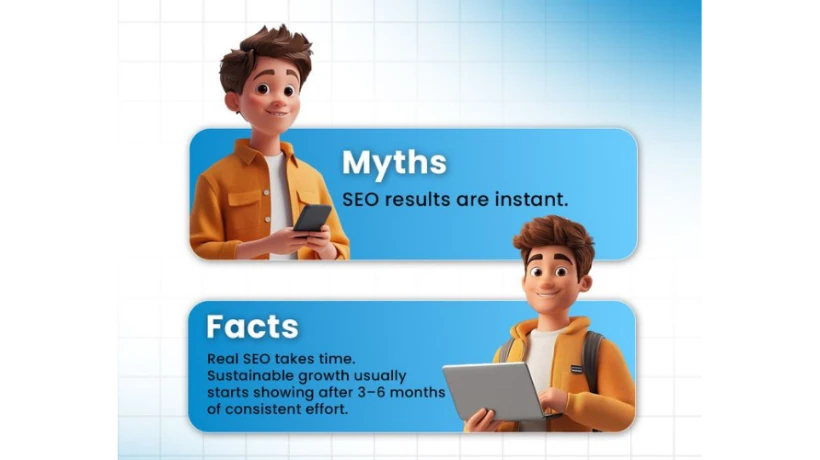
Explore the Common SEO Myths That Hurt Rankings
Search engine optimization has evolved continuously, yet many outdated beliefs still circulate in the industry. These myths often sound convincing, especially when repeated on blogs, forums, or social media, but following them can quietly damage rankings instead of improving them. Understanding what no longer works is just as important as knowing what does.
Modern SEO is shaped by user intent, content quality, technical reliability, and trust signals. Google’s algorithms have matured to identify manipulation, shortcuts, and low value tactics. Holding onto old assumptions can prevent websites from growing, even when effort and resources are invested.
This article breaks down the most common SEO myths that hurt rankings and explains what actually matters today, based on real search behavior and current algorithm expectations.
Myth One SEO Is Only About Keywords
One of the oldest myths is that SEO success depends only on placing the right keywords in content. While keywords still help search engines understand relevance, they no longer drive rankings on their own.
Google now evaluates how well content answers a query, not how many times a keyword appears. Pages that focus excessively on repetition often feel unnatural and fail to satisfy users. This leads to poor engagement signals, which weakens performance over time.
Effective SEO today focuses on context, topic depth, and clarity. Keywords should appear naturally, supporting the meaning rather than controlling the content. Search engines are advanced enough to understand variations, intent, and semantic relationships.
Myth Two More Backlinks Always Mean Higher Rankings
Backlinks remain important, but quantity without quality can be harmful. This myth leads many website owners to chase links from unrelated, low-quality, or spammy sources.
Google evaluates the relevance and credibility of linking domains. A few links from trusted, authoritative websites often carry more value than hundreds of weak ones. Artificial link patterns are also easier for algorithms to detect now.
Link building should be a result of valuable content and genuine references, not aggressive acquisition. Natural links earned through insight, research, and usefulness contribute far more to long-term visibility.
Myth Three Technical SEO Alone Can Rank a Website
Some believe that fixing technical issues such as page speed, mobile responsiveness, and indexing guarantees strong rankings. While technical SEO is essential, it is not enough on its own.
A technically perfect site with weak content still struggles. Google sees technical health as a foundation, not a ranking shortcut. It ensures content can be accessed and understood, but quality determines whether it deserves visibility.
SEO works best when technical structure and content quality support each other. Ignoring either side limits growth.
Myth Four Fresh Content Always Outranks Old Content
There is a widespread belief that newer content automatically ranks higher than older pages. In reality, freshness only matters for topics where recent information is essential.
For evergreen topics, well-maintained older content often performs better because it has built authority, backlinks, and engagement over time. Google prefers accuracy and completeness over publication date.
Instead of constantly publishing new pages, updating existing content with current insights, improved clarity, and better structure often delivers stronger results.
Myth Five SEO Is a One Time Task
Many businesses treat SEO as something that can be completed once and forgotten. This mindset leads to gradual ranking decline.
Search behavior changes, competitors improve, and algorithms evolve. SEO requires ongoing attention to content relevance, performance data, and user needs. What worked a year ago may not work today.
Consistent optimization, monitoring, and refinement are necessary to maintain visibility. SEO is a long-term process, not a setup step.
Myth Six User Experience Does Not Affect SEO
Some still believe SEO is separate from user experience. In reality, the two are deeply connected.
Google tracks signals related to usability, such as mobile friendliness, page speed, layout stability, and content readability. Pages that frustrate users struggle to maintain rankings.
Clear navigation, helpful formatting, and intuitive design support both users and search engines. SEO today is as much about satisfaction as it is about relevance.
Myth Seven Exact Match Domains Guarantee Rankings
Owning a domain that exactly matches a keyword no longer provides a strong advantage. While it may offer slight relevance, it does not override content quality or authority.
Many exact match domains fail to rank because they lack trust signals, strong content, or credible backlinks. Google has reduced the weight of domain names to prevent manipulation.
Brand strength, clarity of purpose, and content value matter far more than the domain name itself.
Myth Eight AI Generated Content Automatically Ranks or Fails
There is confusion around AI content, with some believing it always ranks and others assuming it is always penalized. Neither is accurate.
Google does not rank or penalize content based on how it is created. It evaluates usefulness, originality, and trustworthiness. Content that lacks insight or feels generic performs poorly, regardless of the tool used.
Human oversight, subject understanding, and real value determine performance. Tools can assist, but quality remains the deciding factor.
Myth Nine Social Media Signals Directly Boost Rankings
Social media visibility helps content reach people, but likes and shares are not direct ranking factors.
However, social exposure can indirectly support SEO by increasing awareness, engagement, and the chance of earning natural backlinks. The myth lies in expecting social signals alone to improve search rankings.
Social platforms support SEO indirectly, not algorithmically.
Myth Ten SEO Is the Same for Every Website
SEO strategies vary based on industry, audience, competition, and goals. Applying generic tactics without understanding context often leads to weak results.
A local business, a national publisher, and an ecommerce platform all require different approaches. Search intent, content format, and authority expectations differ across niches.
Effective SEO adapts to specific needs rather than following universal formulas. This is where experienced guidance, such as that provided by an SEO Agency in USA, focuses more on strategy than shortcuts.
Why Believing SEO Myths Is Risky
SEO myths persist because they once worked or sound simple. However, modern search algorithms are designed to reward relevance, trust, and user value.
Following outdated practices wastes time and can even trigger ranking losses. Sustainable SEO growth comes from understanding how search engines think today, not how they worked years ago.
Letting go of myths allows teams to focus on what truly matters, which is helpful content, solid technical foundations, and genuine authority.
Frequently Asked Questions
Are keywords still important for SEO
Yes, keywords are still important, but their role has changed. They help search engines understand topic relevance, but overusing them harms readability. Modern SEO focuses more on intent, context, and comprehensive answers rather than repetition.
Can bad backlinks harm my website rankings
Yes, low-quality or spammy backlinks can harm rankings, especially if they appear unnatural. Google evaluates link quality and relevance. Removing or disavowing harmful links and focusing on earning credible ones helps protect long-term performance.
How often should SEO be updated on a website
SEO should be reviewed regularly. Content updates, technical checks, and performance analysis should happen consistently. Search trends and competition change, so ongoing optimization helps maintain and improve visibility over time.
Does website design really impact SEO
Yes, design affects usability, which influences SEO indirectly. Mobile friendliness, loading speed, layout stability, and navigation all impact user experience. Poor design can lead to higher bounce rates and lower engagement signals.
Is long content always better for rankings
Length alone does not guarantee rankings. Content should be as long as necessary to fully answer a query. Well-structured, clear, and useful content performs better than long but unfocused articles.
Can SEO results be seen quickly
SEO usually delivers gradual results. Some improvements show impact within weeks, but strong, stable rankings often take months. SEO is a long-term investment that builds authority and trust over time rather than providing instant outcomes.
Related Posts

How Businesses Use ChatGPT for Productivity?
Learn how businesses use ChatGPT to automate tasks, improve customer support, streamline workflows, and boost overall productivity.

Key Skills You Will Develop in Design Thinking Training
Strong framing gives you direction and helps you avoid confusion. You learn how to take broad concerns and shape them into focused points that guide your next steps.

DevOps Engineer Salary Trends Worldwide
Explore DevOps engineer salary trends worldwide, including factors like experience, skills, location, and industry demand shaping DevOps career growth.

Comments (0)
Login to comment.
Share this post: